
- russian
- luganda
- maithili
- maori
- marathi
- norwegian
- oromo
- persian
- polish
- portuguese
- quechua
- korean
- shona
- sindhi
- singapore
- spanish
- tamil
- thai
- turkish
- ukrainian
- urdu
- vietnamese
- english
- arabic
- aymara
- basque
- belarusian
- bengali
- cebuano
- czech
- danish
- deutsch
- dutch
- afrikaans
- filipino
- finnish
- french
- galician
- hindi
- indonesian
- irish
- italian
- japanese

You know, been running around construction sites all year, breathing in dust and dealing with every kind of engineer you can imagine. Lately, everyone’s talking about prefabrication, modular stuff. Makes sense, labor’s expensive, timelines are tight. But honestly, a lot of these designs… they look good on paper, but fall apart the minute you try to actually *build* them. I saw a whole shipment of pre-cut framing lumber last month – warped like crazy. Waste of everyone’s time.
It's funny, you think you've seen it all, then something new pops up. And these “smart” building materials… don't even get me started. To be honest, half the time they just add another layer of complexity. I was at a factory in Ningbo last time, looking at some composite decking, smelled like burnt plastic for days.
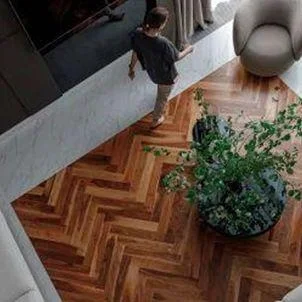
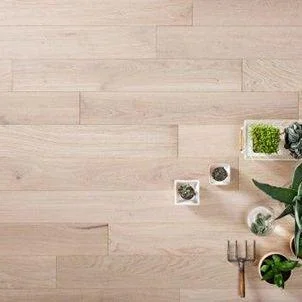
We’re mainly focusing on solid wood flooring, of course. It’s a classic for a reason. Maple, oak, walnut… you can tell the quality just by the weight. Good oak feels… substantial, you know? A little bit of that wood smell. You can feel the grain, the density. Cheaper stuff feels…hollow. And the smell is all wrong. I've had guys refuse to even *touch* some of the really bad stuff.
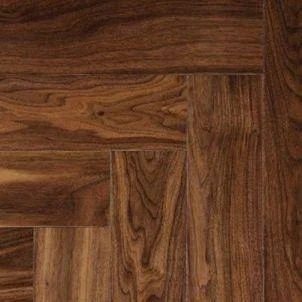
The Current Landscape of Solid Wood Flooring
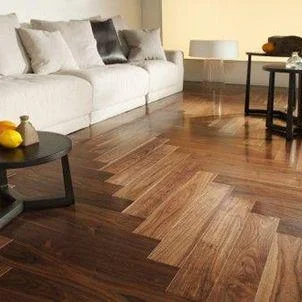
Have you noticed the price of lumber lately? It’s insane. Supply chain issues, tariffs… everything's gone up. And people still want the real thing. Engineered flooring is okay, I guess, but it just doesn’t have the same feel. It doesn’t age the same way. You can cover up scratches on solid wood, sand it down… with that other stuff, you’re pretty much replacing it.
The demand for wider planks is through the roof. Apparently, everyone wants that open, modern look. But wider planks mean more potential for cupping and warping if they aren't properly dried and acclimated. I swear, I spend half my time explaining that to contractors. It's a constant battle.
FAQS
Proper acclimation is key. Let the wood sit in the room for at least 3-5 days before installation. This allows it to adjust to the temperature and humidity. Also, ensure the subfloor is level and dry, and leave adequate expansion gaps around the perimeter. Don’t skip those steps!
It depends on the traffic and wear. Generally, every 5-10 years is a good guideline. If you notice significant scratching or dullness, it’s time for a refinishing. But don’t refinish unnecessarily – you remove a layer of wood each time. A good maintenance routine can extend the life between refinishings.
It *can* be, but it’s risky. Bathrooms are prone to moisture, and solid wood doesn’t handle moisture well. If you do use solid wood in a bathroom, choose white oak and apply a waterproof finish. And be vigilant about wiping up spills immediately. Engineered flooring is usually a better choice for bathrooms.
Pre-finished flooring comes with the finish already applied at the factory. It’s quicker to install, but the finish is usually more durable. Site-finished flooring is sanded and finished on-site. It allows for more customization, but it takes longer and requires more skill. Each has its pros and cons.
Yes, but you need a proper moisture barrier. Concrete is porous and can release moisture, which can damage the wood. You’ll need to install a polyethylene film and potentially a subfloor system to create a stable, dry base. It’s not a simple DIY project!
Avoid harsh chemicals and abrasive cleaners. A pH-neutral wood floor cleaner is the best option. Damp mop, not wet mop, and always follow the grain of the wood. Regular dusting and vacuuming are also important. Simple is often best.
Conclusion
Ultimately, solid wood flooring is a classic choice for a reason. It’s beautiful, durable, and adds value to your home. But it’s not without its challenges. Proper installation and maintenance are critical. Understanding the nuances of different wood species and finishes is essential.
Look, at the end of the day, whether this thing works or not, the worker will know the moment he tightens the screw. You can have all the fancy designs and materials in the world, but if it doesn't feel right in the field, it's not going to work. And that’s the honest truth. Now, if you’ll excuse me, I need another cup of coffee. Visit our website: houndafloor.com

Ethan Turner
Ethan is the Marketing Director at Cangzhou Jiujiang, focusing on expanding the brand's presence in North America. With over a decade of experience in outdoor apparel marketing, Ethan leverages his knowledge to promote the company’s PU rainwear, emphasizing its BSCI and GRS certifications.
If you are interested in our products, you can choose to leave your information here, and we will be in touch with you shortly.


