herringbone laminate
0%

Table of Contents

Wide plank flooring has experienced a resurgence in popularity, moving beyond a mere aesthetic choice to become a statement of style and sustainability. Its broad planks create a visually expansive feel, making rooms appear larger and more inviting. The demand for wide plank flooring is driven by a desire for natural materials, unique character, and a connection to traditional craftsmanship in modern homes. This trend isn't just limited to residential spaces; commercial projects are increasingly adopting wide plank to achieve a sophisticated and welcoming atmosphere.

Globally, the flooring market is a multi-billion dollar industry, with wood flooring consistently holding a significant share. According to recent data, the global wood flooring market was valued at USD 24.7 billion in 2023 and is projected to reach USD 31.2 billion by 2028, growing at a CAGR of 4.7% (Source: Market Research Future). Wide plank flooring represents a growing segment within this market, fueled by rising disposable incomes and a preference for premium flooring options. This growth necessitates responsible sourcing and sustainable forestry practices to mitigate environmental impact.

The appeal of wide plank flooring lies in its ability to transform a space, lending warmth and character that conventional flooring often lacks. It’s a trend that addresses the consumer desire for authenticity and quality, mirroring a broader societal shift towards more mindful consumption. From rustic farmhouse aesthetics to sleek, modern designs, wide plank flooring offers versatility and enduring value, making it a sought-after choice for homeowners and designers worldwide.
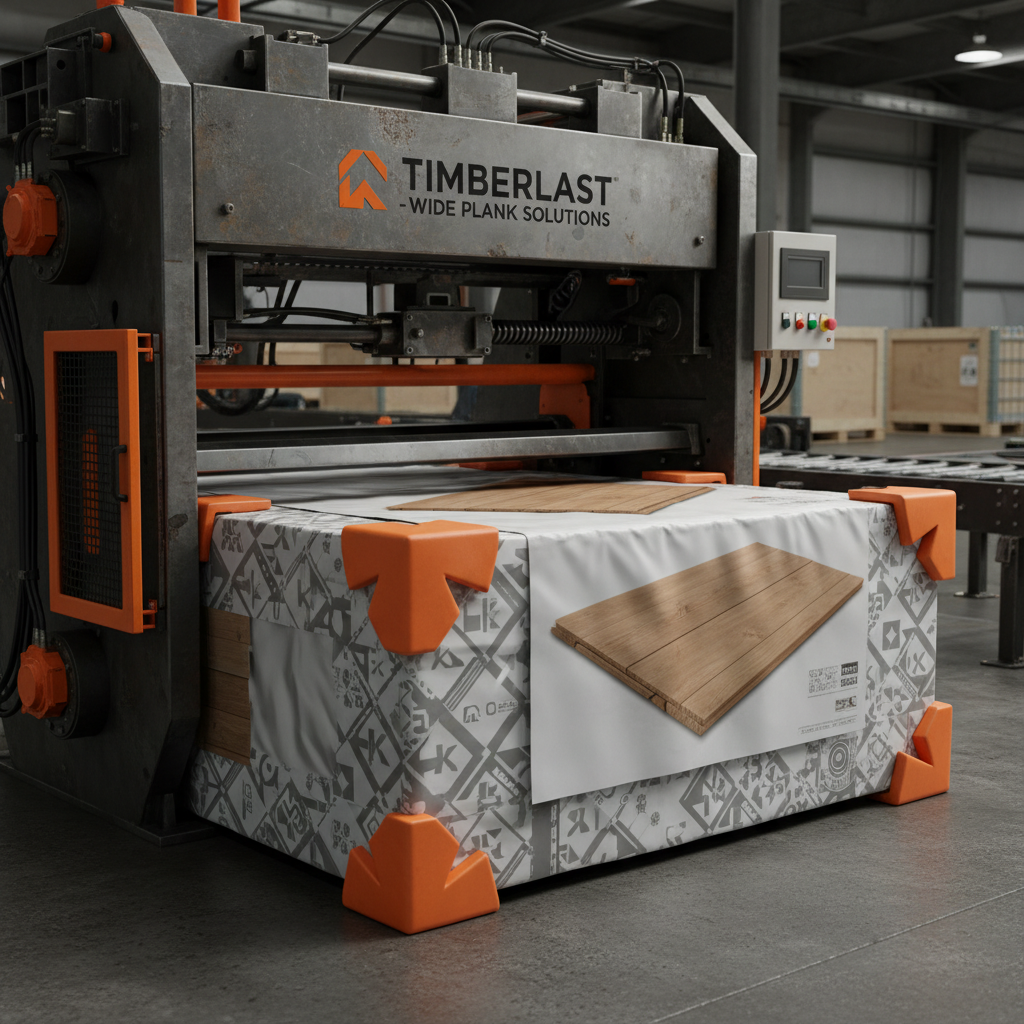
wide plank flooring

The Evolution of Wide Plank Flooring

wide plank flooring

Historically, wide plank flooring originated out of necessity. Early settlers in North America utilized long, wide boards milled from locally sourced trees because it was the most efficient way to cover large areas. These planks showcased the natural beauty of the wood and represented a connection to the land. Wide plank flooring was a practical solution born from resourcefulness.

Over time, manufacturing processes evolved, leading to narrower plank widths dominating the market. However, in recent decades, there’s been a conscious return to the wider plank aesthetic, driven by a desire for authenticity and a reimagining of classic design elements. Modern advancements in milling and stabilization techniques now allow for wider planks to be produced with greater stability and durability than ever before.

Defining Wide Plank Flooring

Wide plank flooring, in its simplest definition, refers to wood flooring planks that are significantly wider than traditional flooring options. Generally, planks exceeding 6 inches in width are considered wide plank. However, common widths range from 7 to 12 inches, with some reaching 14 inches or more. The width, along with the length and thickness, are key characteristics defining this style.

The significance of wide plank flooring extends beyond mere dimensions. It connects to a broader trend of embracing natural materials and handcrafted quality. Unlike mass-produced flooring, wide plank flooring often highlights the unique grain patterns and character marks of the wood, celebrating its inherent imperfections. This appeals to consumers seeking a more authentic and personalized aesthetic.

The production of wide plank flooring requires a different approach than traditional flooring, often necessitating specialized milling equipment and careful wood selection to ensure stability and prevent cupping or warping.

Key Characteristics of Wide Plank Flooring

One of the most defining features of wide plank flooring is its visual impact. The fewer seams across the floor create a sense of spaciousness and continuity, making rooms feel larger and more open. This characteristic is particularly appealing in smaller spaces or rooms with limited natural light. It showcases the wood's natural beauty and highlights the grain patterns.

The wood species used in wide plank flooring significantly impacts its characteristics. Oak, hickory, maple, and walnut are popular choices, each offering unique grain patterns, hardness, and color variations. The choice of species depends on the desired aesthetic, the level of foot traffic, and the overall design of the space. Sustainably sourced wood is becoming increasingly important to conscious consumers.

Installation techniques also play a crucial role. While nail-down, glue-down, and floating installation methods are all possible, proper subfloor preparation and acclimation of the wood are essential for a successful and long-lasting installation. The wider planks require meticulous attention to detail and often benefit from professional installation.

Durability and Longevity of Wide Plank Flooring

The durability of wide plank flooring is a significant advantage. While the wider planks may appear more susceptible to movement, proper wood selection and installation mitigate this risk. Hardwood species like oak and hickory are known for their exceptional hardness and resistance to wear and tear.

With proper care and maintenance, wide plank flooring can last for generations. Regular cleaning, avoiding excessive moisture, and using protective furniture pads can extend its lifespan considerably. Refinishing is also an option to restore the flooring’s original luster and address minor scratches or wear.

Wide Plank Flooring Durability Ratings by Wood Species

Global Applications of Wide Plank Flooring

The versatility of wide plank flooring has led to its adoption in a wide range of applications globally. From residential homes in North America and Europe to high-end hotels and retail spaces in Asia, it's a flooring solution that transcends geographical boundaries. The growing demand for natural and sustainable materials fuels its increasing popularity worldwide.

In Scandinavian countries, wide plank flooring is commonly used to create bright and airy interiors, complementing minimalist design aesthetics. In North America, it’s a popular choice for both modern and traditional homes, particularly in coastal regions where the natural look and feel of wood complement the surrounding environment.

Advantages and Long-Term Value

The advantages of wide plank flooring extend beyond its aesthetic appeal. Its long-term value is a significant draw for homeowners and investors. The durability and potential for refinishing contribute to a lower lifecycle cost compared to other flooring options.

Furthermore, wide plank flooring can increase a property’s resale value. Its timeless appeal and high-end look are attractive to potential buyers. From a sustainability perspective, choosing responsibly sourced wood contributes to environmentally conscious building practices, appealing to a growing segment of the market.

The emotional benefits are also important. A beautiful, well-installed wide plank floor creates a warm, inviting, and comfortable living space, enhancing the overall quality of life.

Future Trends in Wide Plank Flooring

Several emerging trends are shaping the future of wide plank flooring. One key development is the increasing use of engineered wide plank, which offers enhanced stability and moisture resistance, making it suitable for a wider range of environments, including basements and bathrooms.

Another trend is the exploration of new wood species and finishes. Thermo-modified wood, for example, offers enhanced durability and stability while minimizing environmental impact. Creative finishing techniques, such as wire brushing and reactive staining, are also gaining popularity, allowing for unique and customized looks.

Digital technologies are playing a role in the design process, with virtual reality tools allowing customers to visualize different wide plank flooring options in their homes before making a purchase. This enhances the customer experience and reduces the risk of costly mistakes.

Overview of Factors Influencing Wide Plank Flooring Market Growth

Market Driver Impact Level (1-10) Geographical Focus Long-Term Outlook
Growing Demand for Natural Materials 9 North America & Europe Strong & Sustainable
Increasing Home Renovation Activity 7 Asia-Pacific & Latin America Positive
Rise in Luxury Housing Construction 8 Middle East & North America Moderate
Shift Towards Sustainable Building Practices 6 Global Growing Importance
Technological Advancements in Manufacturing 7 Europe & North America Positive
E-commerce Growth & Online Retail 5 Global Expanding Reach

FAQS

What are the key benefits of choosing wide plank flooring over traditional flooring?

Wide plank flooring offers several advantages, including a more spacious feel due to fewer seams, a showcase of the wood’s natural character, and potential for increased property value. Its wider planks contribute to a more modern and luxurious aesthetic, and with proper installation, it’s just as durable as traditional flooring options. The visual appeal is a significant factor for many homeowners, adding warmth and sophistication to any room.

Is wide plank flooring suitable for all room types?

While versatile, wide plank flooring's suitability depends on moisture levels. Solid wide plank isn't ideal for bathrooms or basements without proper moisture barriers. Engineered wide plank, however, offers enhanced stability and moisture resistance, making it suitable for these areas. Careful consideration of subfloor preparation and climate control is crucial for successful installation in any room.

What is the best way to maintain wide plank flooring?

Regular cleaning with a wood floor cleaner is essential. Avoid excessive moisture, as it can cause warping. Use furniture pads under heavy items to prevent dents and scratches. Annual or bi-annual refinishing may be necessary to restore the flooring's luster and protect it from wear. A preventative maintenance routine will extend the lifespan of your floor.

How does the wood species affect the cost of wide plank flooring?

The cost of wide plank flooring varies significantly depending on the wood species. Common species like oak and maple are generally more affordable, while exotic woods like Brazilian cherry or walnut are considerably more expensive. Rarity, hardness, and grain patterns all contribute to the price. Engineered options typically cost less than solid wood planks.

What are the common installation methods for wide plank flooring?

Common installation methods include nail-down, glue-down, and floating. Nail-down is traditional but requires a plywood subfloor. Glue-down provides a very stable connection, ideal for concrete subfloors. Floating installation is popular for its ease and versatility, using a click-lock system. Proper subfloor preparation is critical regardless of the method chosen.

Is wide plank flooring a sustainable choice?

Wide plank flooring can be a sustainable choice if the wood is sourced responsibly from sustainably managed forests. Look for certifications like FSC (Forest Stewardship Council) to ensure the wood meets environmental standards. Choosing locally sourced wood and opting for reclaimed wood are also excellent sustainable practices. Consider the environmental impact of finishes and adhesives as well.

Conclusion

In conclusion, wide plank flooring represents more than just a design trend; it embodies a return to natural materials, enduring quality, and a connection to craftsmanship. Its visual appeal, durability, and versatility make it a compelling choice for a wide range of applications, from residential homes to commercial spaces. The growing demand for sustainable and aesthetically pleasing flooring solutions positions wide plank flooring for continued popularity and innovation.

Looking ahead, advancements in manufacturing and finishing techniques will further enhance the performance and aesthetic possibilities of wide plank flooring. Prioritizing responsible sourcing and environmentally friendly practices is crucial to ensure its long-term sustainability. For those seeking a timeless, beautiful, and durable flooring solution, wide plank flooring remains an exceptional investment.
David Miller

David Miller

David Miller is Hounda's North American Sales Director, bringing over 15 years of experience in the flooring industry. Prior to joining Hounda in 2022, David held leadership positions at leading flooring distributors like Shaw Industries and Mohawk. He’s a strong advocate for sustainable building practices and is passionate about bringing innovative flooring solutions to the US market. David focuses on expanding Hounda’s presence within the commercial sector, specifically targeting hospitality and multi-family residential projects. He holds a Bachelor's degree in Business Administration from the University of Texas at Austin and frequently speaks at industry conferences on flooring trends and market analysis.
Previous Explore the Durability and Beauty of Hickory Hardwood Flooring
Next Exploring the Enduring Appeal of Red Oak Flooring for Modern Homes

If you are interested in our products, you can choose to leave your information here, and we will be in touch with you shortly.