
- russian
- luganda
- maithili
- maori
- marathi
- norwegian
- oromo
- persian
- polish
- portuguese
- quechua
- korean
- shona
- sindhi
- singapore
- spanish
- tamil
- thai
- turkish
- ukrainian
- urdu
- vietnamese
- english
- arabic
- aymara
- basque
- belarusian
- bengali
- cebuano
- czech
- danish
- deutsch
- dutch
- afrikaans
- filipino
- finnish
- french
- galician
- hindi
- indonesian
- irish
- italian
- japanese

Red oak flooring, a classic choice for homeowners and builders alike, holds a significant position in the global building materials market. Its beauty, durability, and relative affordability have made it a staple in residential and commercial construction for centuries. The demand for hardwood flooring, especially red oak, continues to grow, driven by a preference for natural materials and a desire for lasting value. Understanding the nuances of red oak flooring – from its grading and finishing to its installation and maintenance – is crucial for anyone involved in the building and renovation industries.
Globally, the hardwood flooring market is a multi-billion dollar industry, with North America representing a substantial portion of the demand. According to the National Wood Flooring Association, hardwood flooring sales continue to be strong, indicating a sustained preference for this type of flooring. However, supply chain disruptions and increasing environmental concerns have begun to shape the market, prompting manufacturers and consumers to explore more sustainable sourcing and production practices. Red oak, sourced responsibly, offers a viable solution, balancing aesthetic appeal with environmental responsibility.
The increasing awareness of indoor air quality and the demand for eco-friendly building materials are also driving factors. Red oak flooring, when finished with low-VOC (volatile organic compound) products, contributes to healthier indoor environments. This growing trend positions red oak flooring as a forward-thinking choice for environmentally conscious consumers and builders.

The Essence of Red Oak Flooring
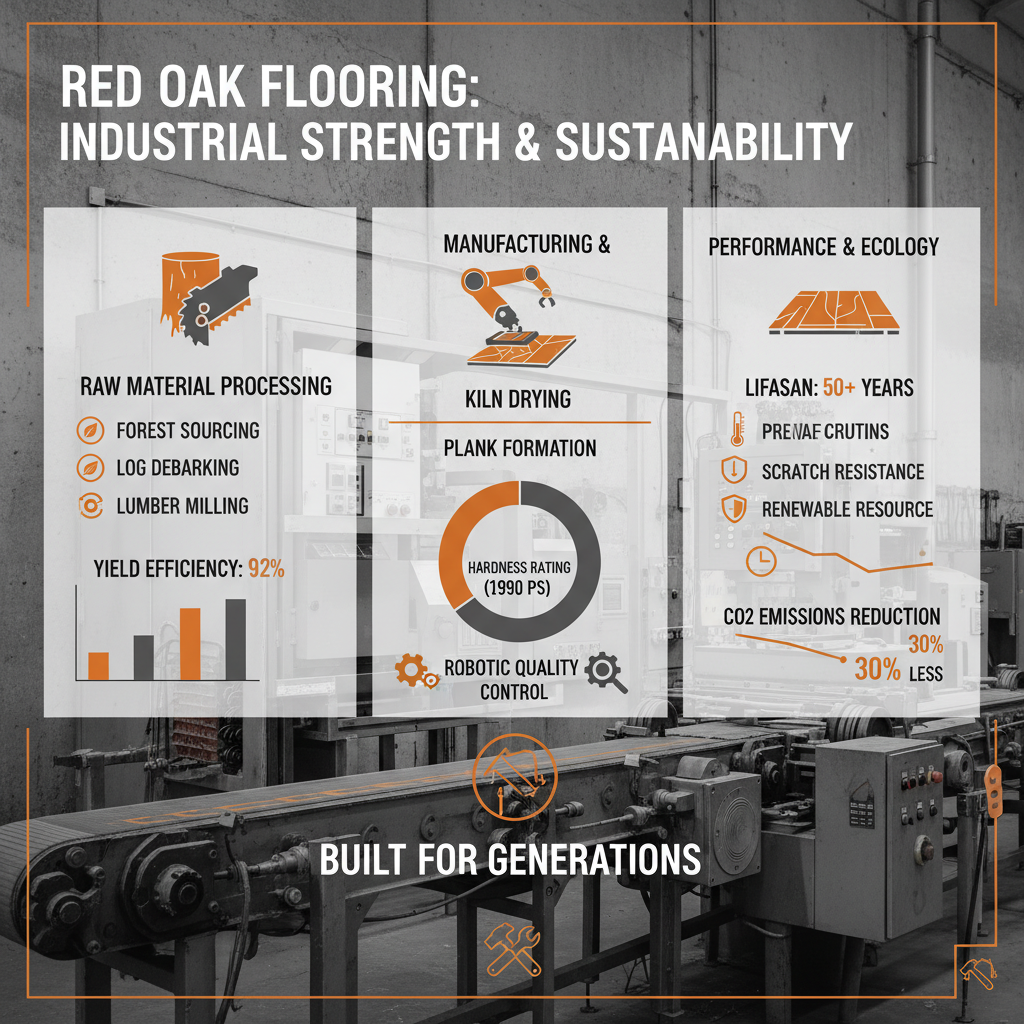
Red oak flooring is prized for its distinctive grain patterns and warm, reddish hue. Sourced from the red oak tree (Quercus rubra), a common hardwood species in eastern North America, this flooring material offers a balance of aesthetic appeal and structural integrity. Understanding the fundamental properties of red oak, like its hardness and porosity, is crucial for proper selection and installation.
The character grades of red oak flooring significantly impact its appearance and cost. Select and better grades minimize knots and imperfections, resulting in a cleaner look, while rustic grades embrace natural character marks, adding to the floor’s unique charm. The choice depends on the desired aesthetic and budget considerations.
FAQS
A properly installed and maintained red oak floor can last for 75 to 100 years, or even longer. The lifespan is heavily influenced by the quality of the installation, the finish applied, and the level of care and maintenance provided. Regular cleaning, periodic refinishing (every 5-10 years), and prompt attention to spills are crucial for maximizing longevity.
Red oak flooring is generally more affordable than many other hardwood species, such as hickory, maple, or walnut. This cost-effectiveness makes it a popular choice for homeowners on a budget. The price can vary depending on the grade, width, and finish of the flooring, but red oak consistently offers a good balance of quality and affordability.
Yes, red oak flooring is a good choice for high-traffic areas due to its relatively high hardness rating (1290 Janka). While it's not as resistant to dents and scratches as some harder woods, it can withstand considerable wear and tear. Applying a durable finish, such as polyurethane, can further enhance its resistance to damage.
Moisture is the biggest enemy of wood flooring. Preventative measures include using a moisture barrier underlayment during installation, maintaining consistent indoor humidity levels, and promptly cleaning up spills. Avoid exposing red oak flooring to standing water. Using a water-resistant finish can also provide an added layer of protection.
Polyurethane is a popular and durable finish for red oak flooring, offering excellent resistance to scratches and water damage. Oil-based polyurethane provides a warmer tone, while water-based polyurethane is more eco-friendly and dries quicker. Other options include moisture-cured urethane and penetrating oil sealers, each with its own benefits and drawbacks.
Red oak flooring typically needs to be refinished every 5-10 years, depending on the amount of traffic and wear it receives. Refinishing involves sanding down the existing finish and applying a new coat, restoring the floor's original beauty. Signs that it's time to refinish include noticeable scratches, dullness, and difficulty cleaning.
Conclusion
Red oak flooring remains a timeless and reliable choice for homeowners and builders alike. Its combination of durability, aesthetic appeal, cost-effectiveness, and sustainable sourcing options makes it a compelling option in today’s building materials market. By understanding its key characteristics, proper installation techniques, and essential maintenance practices, individuals can enjoy the beauty and longevity of red oak floors for generations.
Looking ahead, continued innovation in finishing technologies and a growing commitment to sustainable forestry practices will further enhance the value and appeal of red oak flooring. Choosing red oak flooring represents a smart investment in quality, durability, and long-term value. Visit our website today to explore our selection and find the perfect red oak flooring for your next project!



Kevin Thompson
If you are interested in our products, you can choose to leave your information here, and we will be in touch with you shortly.


