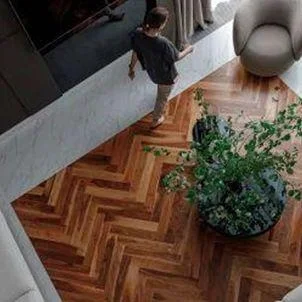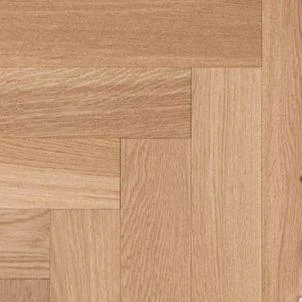
herringbone laminate
0%

Table of Contents

Hickory hardwood flooring is rapidly gaining prominence as a sustainable and aesthetically pleasing choice for residential and commercial spaces. Its inherent durability, unique grain patterns, and warm tones contribute to its increasing popularity globally. Beyond its visual appeal, hickory offers a robust solution for high-traffic areas, making it a favored selection amongst homeowners, builders, and architects alike. hickory hardwood flooring is not simply a flooring material; it’s an investment in long-term value and environmental responsibility.

The global demand for hardwood flooring is projected to continue its steady growth, driven by rising disposable incomes and increasing awareness of sustainable building materials. According to the National Wood Flooring Association (NWFA), hardwood flooring represents a significant portion of the overall flooring market, and hickory, with its unique characteristics, is poised to capture a larger share. This trend is fueled by consumer preference for natural materials and a desire for flooring options that offer both beauty and longevity.

However, sourcing practices and sustainable forestry are crucial considerations. The responsible harvesting of hickory wood is paramount to ensuring the long-term availability of this valuable resource. The increasing demand necessitates a focus on eco-conscious production methods, minimizing waste, and promoting responsible forest management. Understanding the nuances of hickory hardwood flooring allows for informed decisions that benefit both consumers and the environment.
hickory hardwood flooring

Understanding the Characteristics of hickory hardwood flooring
hickory hardwood flooring

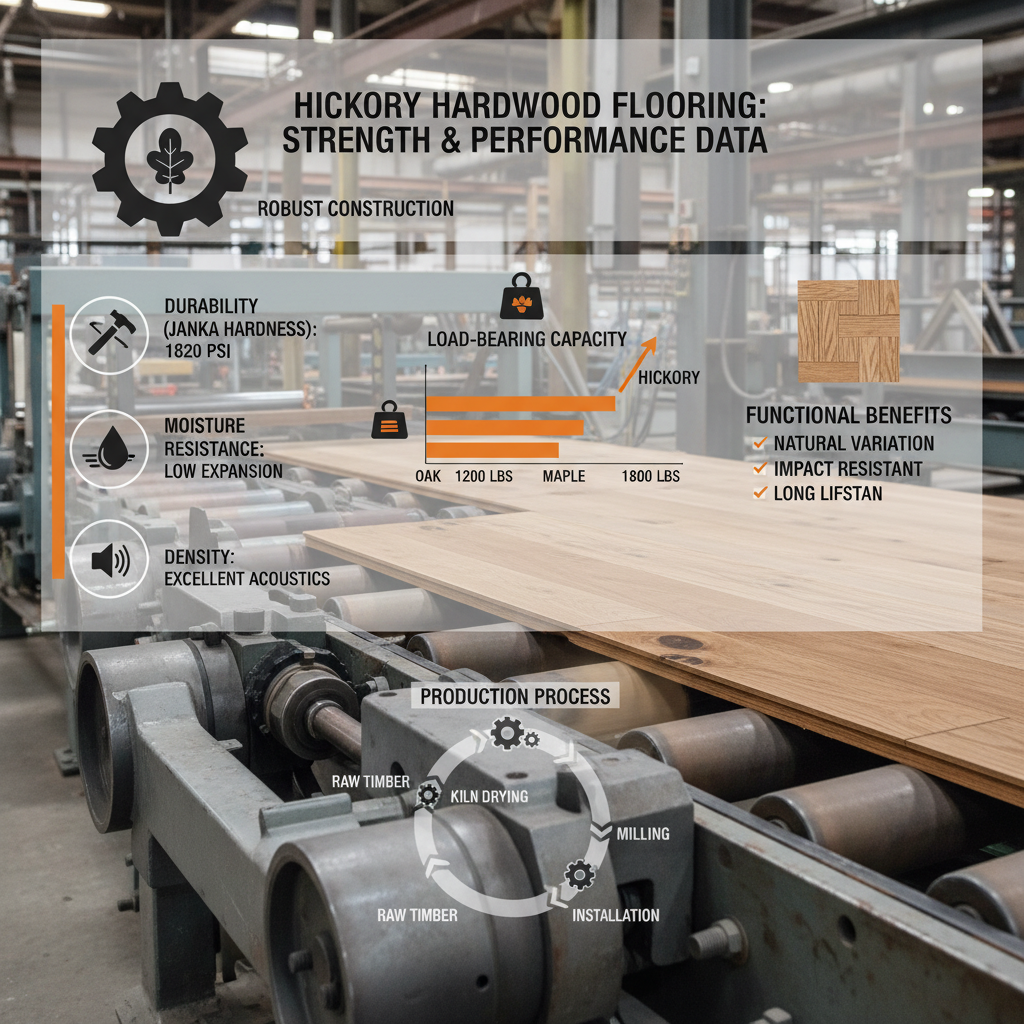
Hickory hardwood flooring stands out for its exceptional hardness, ranking highly on the Janka hardness scale. This inherent strength makes it incredibly resistant to dents, scratches, and wear, ideal for active households and commercial settings. The wood's grain patterns are known for their variation, ranging from straight to wavy, creating a visually dynamic and naturally beautiful surface.

Beyond its physical properties, hickory exhibits a beautiful color palette, typically ranging from light to reddish-brown, and often features contrasting heartwood and sapwood tones. This natural variation adds character and depth to any room. Furthermore, hickory accepts stains well, allowing for customization to match a variety of design preferences. It truly is a versatile and attractive flooring choice.

The Historical Development of hickory hardwood flooring

Hickory’s history in North America is deeply rooted in the traditions of indigenous peoples, who utilized the wood for a wide range of purposes, from tool handles and bows to smoking meats. However, its use as a flooring material gained momentum in the 19th and 20th centuries, becoming increasingly popular for its durability and rustic charm. Early hickory flooring was often sourced from sustainably managed forests in the Eastern United States.

The development of modern milling techniques significantly improved the availability and affordability of hickory hardwood flooring. As demand grew, the industry refined processes for drying, grading, and finishing the wood, enhancing its quality and appeal. The mid-20th century saw a shift in consumer preferences towards lighter-colored woods, briefly diminishing hickory’s popularity, but it has experienced a significant resurgence in recent decades.

Today, hickory flooring is celebrated for its connection to American heritage and its sustainable origins. Its unique history contributes to its allure and provides a story behind every plank. The revival of interest is a testament to the wood’s enduring qualities and its ability to adapt to evolving design trends.

Sustainability and Sourcing of hickory hardwood flooring

The sustainability of hickory hardwood flooring hinges on responsible forest management practices. Choosing wood certified by organizations like the Forest Stewardship Council (FSC) ensures that the hickory has been harvested from forests managed to protect biodiversity, water resources, and the rights of local communities. This certification guarantees a traceable supply chain and promotes ethical forestry.

Beyond certification, considering the geographical origin of the hickory is essential. Sourcing from local or regional forests minimizes transportation costs and reduces the carbon footprint associated with shipping. Supporting local mills and businesses further strengthens sustainable forestry practices and contributes to regional economic development.

Properly managing hickory forests also involves replanting initiatives and selective harvesting techniques that prioritize the long-term health of the ecosystem. Reducing waste during the milling process, utilizing byproducts for other applications (like firewood or mulch), and opting for low-VOC finishes all contribute to a more sustainable life cycle for hickory hardwood flooring.

Performance Metrics of hickory hardwood flooring

Assessing the performance of hickory hardwood flooring involves evaluating several key metrics. The Janka hardness rating, as mentioned previously, is crucial for determining its resistance to denting and wear. Hickory typically scores between 1820 and 2200 lbf, making it one of the hardest domestic hardwoods available. This is a significant advantage for high-traffic areas.

Dimensional stability is another important factor, indicating the wood’s ability to resist warping or cupping due to changes in humidity. Hickory generally exhibits good dimensional stability, particularly when properly acclimated and installed. However, maintaining consistent indoor humidity levels is still recommended to optimize its performance.

Comparative Performance of hickory hardwood flooring Finishing Methods

Global Applications of hickory hardwood flooring

While traditionally popular in North America, hickory hardwood flooring is gaining traction internationally, particularly in Europe and Asia, where demand for natural and durable flooring materials is increasing. Its rustic aesthetic complements a variety of architectural styles, from traditional country homes to modern minimalist spaces.

In commercial settings, hickory is increasingly used in retail spaces, restaurants, and offices due to its ability to withstand heavy foot traffic and maintain its appearance over time. It is also a popular choice for gymnasiums and dance studios, where its hardness and stability are highly valued. The versatility of hickory allows it to be adapted to a broad range of applications.

The Economic Impact of hickory hardwood flooring

The hickory hardwood flooring industry supports a significant number of jobs across the supply chain, from forestry and milling to manufacturing, distribution, and installation. The economic benefits extend to rural communities where hickory forests are sustainably managed, providing a source of income and employment for local residents.

Increased demand for hickory flooring drives investment in research and development, leading to innovations in milling techniques, finishing technologies, and sustainable forestry practices. The export of hickory flooring also contributes to the balance of trade and supports economic growth.

The growth of the hickory market fosters competition, leading to lower prices and increased accessibility for consumers. This, in turn, stimulates further demand and creates a positive feedback loop for the industry.

Installation and Maintenance of hickory hardwood flooring

Proper installation is crucial for maximizing the longevity and performance of hickory hardwood flooring. It's recommended to allow the wood to acclimate to the room’s humidity levels for several days before installation. A professional installation is often recommended, especially for more complex patterns or subfloor conditions.

Regular maintenance, including sweeping, vacuuming, and damp mopping, helps to preserve the beauty and durability of the floor. Avoid using harsh chemicals or abrasive cleaners, as these can damage the finish. Periodic refinishing may be necessary to restore the floor’s original luster and protect it from wear and tear.

Analysis of Factors Affecting hickory hardwood flooring Lifespan

Installation Quality Maintenance Frequency Environmental Conditions Foot Traffic Level
Excellent (Professional Installation) High (Weekly Cleaning & Annual Refinishing) Stable (Consistent Humidity & Temperature) Low (Residential Use)
Good (DIY Installation with Guidance) Medium (Bi-Weekly Cleaning & Biennial Refinishing) Moderate (Some Fluctuations) Medium (Small Office)
Fair (DIY Installation without Guidance) Low (Monthly Cleaning & Infrequent Refinishing) Variable (Significant Fluctuations) High (Retail Store)
Poor (Improper Installation) Very Low (Rarely Cleaned) Extreme (High Humidity & Temperature Swings) Very High (Gymnasium)
Good (Professional with Subfloor prep) Medium (Bi-Weekly Cleaning, Refinish as needed) Controlled (HVAC system) Medium-High (Restaurant)
Excellent (Professional & Adaptive Underlayment) High (Daily Cleaning & Protective Mats) Ideal (Consistent Climate Control) Low-Medium (Home Library)

FAQS

What are the key benefits of choosing hickory hardwood flooring over other hardwood options?

Hickory distinguishes itself through superior hardness and durability compared to many other hardwoods, making it incredibly resistant to dents and scratches. Its distinct grain patterns and color variations offer a unique aesthetic appeal, adding character to any space. Furthermore, responsibly sourced hickory is a sustainable choice, aligning with eco-conscious building practices.

How does the Janka hardness rating impact the suitability of hickory for different environments?

The Janka hardness rating measures a wood's resistance to indentation. Hickory’s high Janka rating (1820-2200 lbf) indicates it's an excellent choice for high-traffic areas, homes with pets, or commercial spaces where durability is paramount. While its hardness is a strength, it can also make it slightly more challenging to work with during installation, requiring quality tools and techniques.

What is the best way to maintain the finish of my hickory hardwood flooring?

Regular sweeping or vacuuming to remove dirt and debris is essential. Damp mopping with a pH-neutral hardwood floor cleaner prevents damage to the finish. Avoid using abrasive cleaners, wax-based products, or excessive water. Periodic refinishing (every few years, depending on wear) restores the floor’s luster and protects the wood. Using rugs in high-traffic areas and furniture pads under legs can also prolong the life of the finish.

Is hickory hardwood flooring a sustainable flooring option?

Yes, hickory can be a very sustainable flooring option if sourced responsibly. Look for wood certified by the Forest Stewardship Council (FSC), which ensures it comes from sustainably managed forests. Choosing local suppliers and supporting responsible forestry practices minimize environmental impact. Hickory is also a fast-growing hardwood, making it a renewable resource when managed correctly.

What are the typical costs associated with installing hickory hardwood flooring?

The cost of hickory hardwood flooring varies depending on grade, finish, and installation method. Material costs typically range from $6 to $12 per square foot. Installation costs can add another $3 to $8 per square foot, depending on the complexity of the installation and labor rates in your area. Including subfloor preparation and finishing, the total cost can range from $9 to $20 per square foot.

Can hickory hardwood flooring be installed over concrete subfloors?

Yes, hickory hardwood flooring can be installed over concrete subfloors, but it requires careful preparation. The concrete must be clean, dry, and level. A moisture barrier is essential to prevent moisture from wicking up into the wood. Proper acclimation of the hickory flooring to the concrete subfloor's conditions is also critical to prevent warping or buckling. Floating installation or gluing down are common methods for concrete subfloors.

Conclusion

Hickory hardwood flooring offers a compelling combination of durability, beauty, and sustainability. Its inherent hardness and resistance to wear make it a long-lasting investment, while its unique grain patterns and warm tones enhance the aesthetic appeal of any space. Choosing responsibly sourced hickory supports sustainable forestry practices and contributes to a healthier environment.

As consumer demand for natural and sustainable building materials continues to grow, hickory hardwood flooring is poised to become an increasingly popular choice. By prioritizing responsible sourcing, proper installation, and regular maintenance, you can enjoy the timeless beauty and enduring performance of hickory for generations to come. Visit our website at houndafloor.com to explore our wide selection of hickory hardwood flooring options.
Jason Wright

Jason Wright

Jason Wright is a Technical Support Engineer for Hounda, providing expert assistance to installers, contractors, and distributors across the United States. He has a background in carpentry and flooring installation, giving him practical insights into the challenges faced by professionals in the field. Jason is responsible for creating installation guides, conducting training workshops, and troubleshooting technical issues. He is dedicated to ensuring that Hounda flooring is installed correctly and performs optimally. He joined the company in 2019 and has become a valuable resource for our North American network.
Previous The Enduring Value and Versatile Applications of Wood Planks in Modern Construction
Next Exploring the Enduring Appeal of Wide Plank Flooring and Market Trends

If you are interested in our products, you can choose to leave your information here, and we will be in touch with you shortly.