herringbone laminate
0%

Table of Contents

Oak hardwood flooring represents a cornerstone of interior design and construction globally, admired for its beauty, durability, and timeless appeal. From historic European castles to modern American homes, oak flooring has consistently been a preferred choice for its aesthetic versatility and ability to add value to properties. The global demand for oak hardwood flooring continues to grow, driven by increasing construction activity, renovation projects, and a renewed focus on sustainable and natural building materials. Understanding its properties, applications, and evolving trends is crucial for architects, designers, builders, and homeowners alike.

The market for oak hardwood flooring is substantial, with significant production centers in North America, Europe, and Asia. According to the National Wood Flooring Association (NWFA), hardwood flooring represents a multi-billion dollar industry annually, and oak consistently ranks as the most popular species. However, challenges such as sustainable forestry practices, fluctuating timber prices, and the rise of alternative flooring materials require careful consideration. Addressing these challenges requires innovation in harvesting techniques, efficient manufacturing processes, and a commitment to responsible sourcing.

Ultimately, the enduring popularity of oak hardwood flooring stems from its inherent qualities: warmth, character, and long-term value. As consumers become more environmentally conscious and prioritize quality craftsmanship, the demand for sustainably sourced and expertly crafted oak flooring is expected to remain strong, shaping the future of the flooring industry.
oak hardwood flooring

The Enduring Appeal of oak hardwood flooring
oak hardwood flooring

The longevity of oak hardwood flooring’s popularity isn't accidental. It's a direct result of its combination of aesthetic beauty and practical benefits. Oak’s distinctive grain patterns add warmth and character to any room, and its natural variations create a unique and inviting atmosphere. This inherent beauty makes it a versatile choice, complementing a wide range of interior design styles, from rustic farmhouse to sleek contemporary.

Beyond aesthetics, oak’s inherent durability and ability to withstand decades of use contribute to its enduring appeal. Properly maintained oak hardwood flooring can last for generations, increasing a property’s value and becoming a cherished feature of a home. This long-term investment, combined with its classic style, ensures that oak remains a preferred choice for homeowners and builders.

Defining Oak Hardwood Flooring

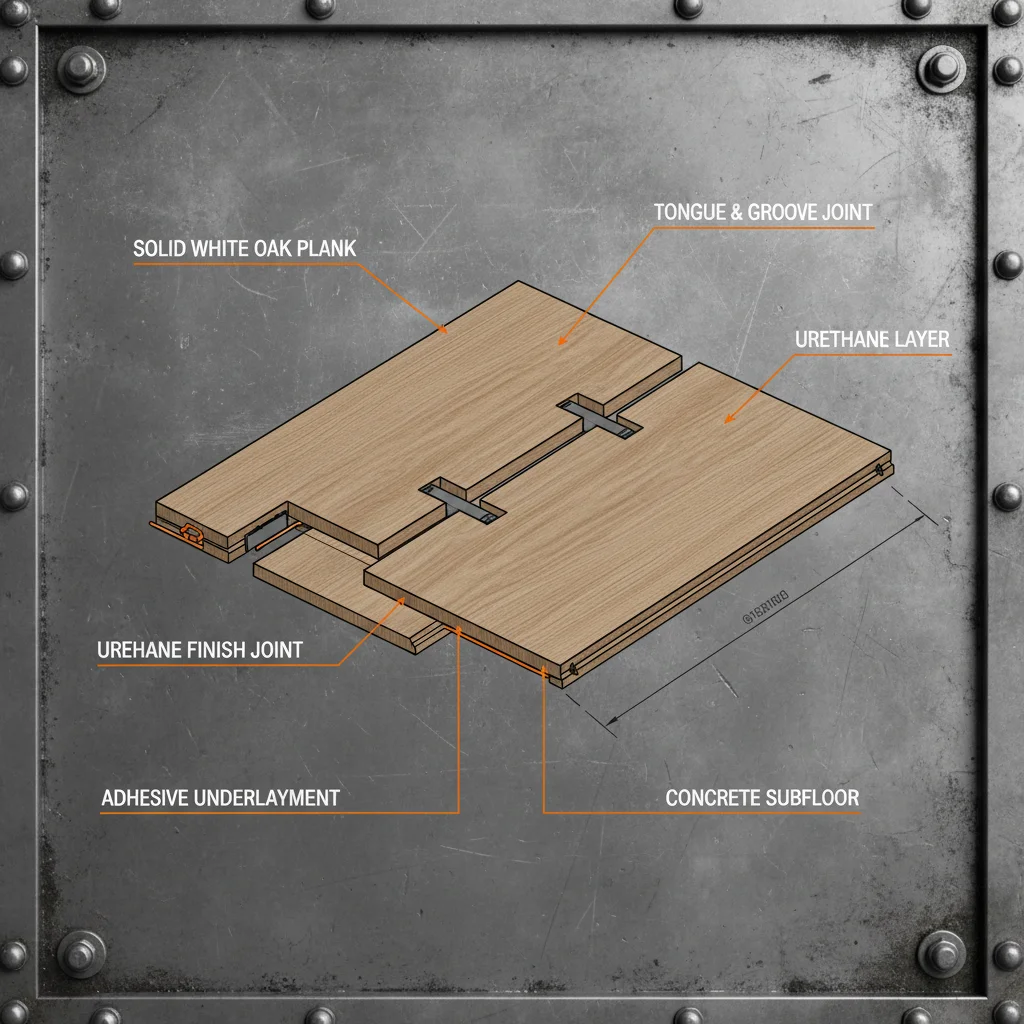
Oak hardwood flooring refers to flooring constructed from solid oak wood, typically sourced from red and white oak trees. ‘Hardwood’ distinguishes it from softer woods like pine and denotes a denser, more durable material. The term encompasses a range of manufacturing processes, including solid hardwood, engineered hardwood, and parquet flooring, all utilizing oak as the primary material.

In the context of modern building practices, oak hardwood flooring isn't simply a material; it's a system that impacts indoor air quality, structural integrity, and overall building sustainability. Its natural composition contributes to better indoor air quality compared to synthetic flooring options, and responsible sourcing can support sustainable forestry practices, aligning with eco-conscious building standards.

The connection to industry needs is clear: oak hardwood flooring addresses the demand for both aesthetic appeal and long-lasting performance in residential and commercial spaces, consistently meeting and exceeding industry standards for durability and quality.

Core Characteristics of oak hardwood flooring

Durability is arguably the most significant characteristic of oak hardwood flooring. Oak is a naturally strong and resilient wood, capable of withstanding heavy foot traffic, impacts, and everyday wear and tear. This inherent toughness translates to a flooring solution that can last for decades with proper care.

Versatility is another key attribute. Oak accepts stains and finishes exceptionally well, allowing for a vast spectrum of color options to match any aesthetic preference. Whether you desire a light, natural look or a rich, dark tone, oak can be customized to complement any interior design scheme.

Finally, oak hardwood flooring offers excellent thermal insulation properties. Wood is a natural insulator, helping to maintain a comfortable indoor temperature and reduce energy costs. This contributes to a more sustainable and energy-efficient home environment.

Grading and Types of oak hardwood flooring

Oak hardwood flooring is categorized into several grades based on its appearance and the amount of natural character it displays. Common grades include Select, Quarter Sawn, Rift Sawn, and Common. Select grade flooring exhibits minimal knots and blemishes, offering a clean and uniform appearance. Conversely, Common grades showcase more natural character, including knots, mineral streaks, and color variations, appealing to those who appreciate a more rustic aesthetic.

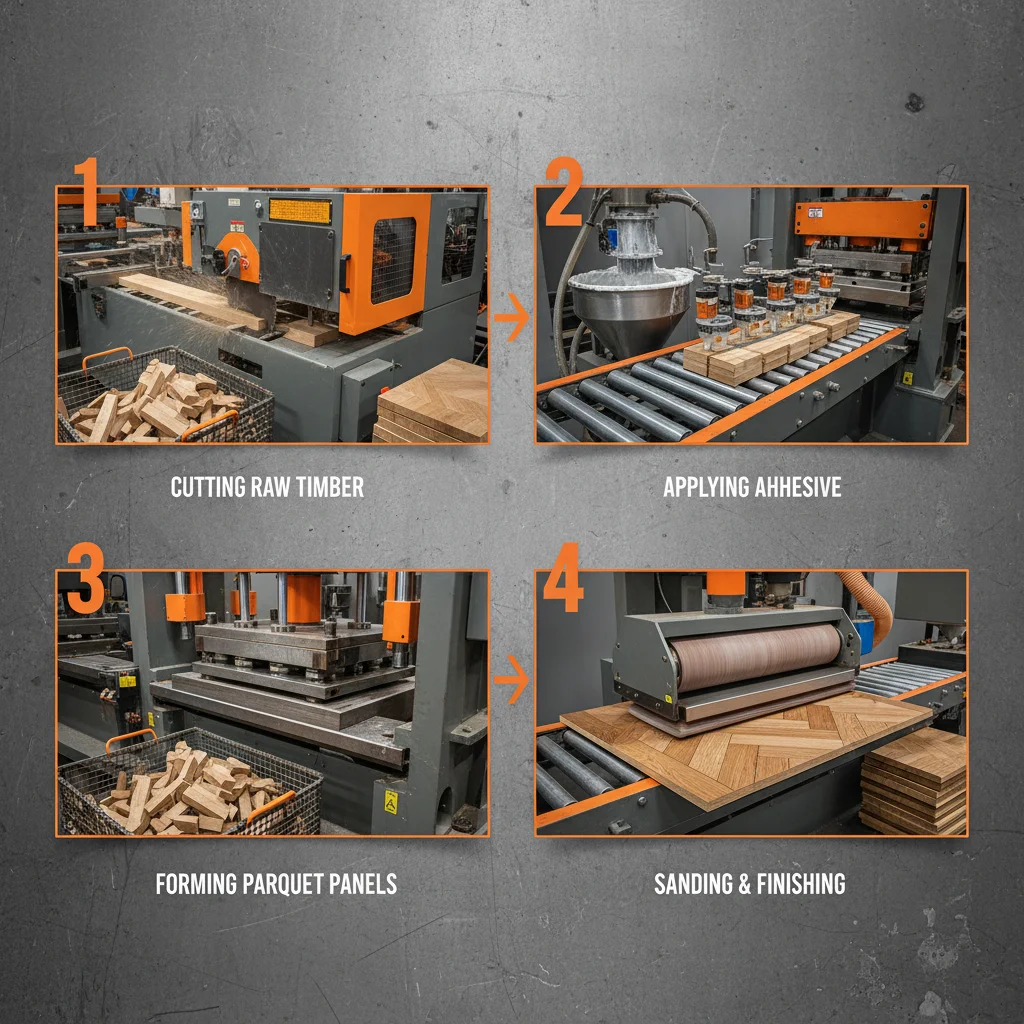
There are three primary types of oak hardwood flooring: Solid hardwood, engineered hardwood, and parquet flooring. Solid hardwood consists of planks milled from a single piece of oak wood, offering the most authentic look and feel and the potential for multiple refinishing cycles. Engineered hardwood comprises a thin veneer of oak adhered to a plywood or fiberboard core, providing greater stability and resistance to moisture, making it suitable for below-grade installations. Parquet flooring features geometric patterns created from small pieces of oak, offering a unique and decorative flooring option.

Oak Hardwood Flooring Quality Comparison

Global Applications of oak hardwood flooring

Oak hardwood flooring finds widespread application in residential construction globally, from single-family homes to multi-unit dwellings. Its aesthetic appeal and durability make it a popular choice for living rooms, bedrooms, kitchens, and hallways. In North America and Europe, it is a staple in both traditional and contemporary homes.

Beyond residential spaces, oak flooring is increasingly utilized in commercial settings, including offices, retail stores, and restaurants. Its ability to withstand high traffic and maintain a professional appearance makes it suitable for these environments. High-end hotels and hospitality venues frequently feature oak hardwood flooring to create a luxurious and welcoming ambiance.

Advantages and Long-Term Value

The cost-effectiveness of oak hardwood flooring extends beyond the initial purchase price. While often more expensive upfront than some alternative flooring materials, its longevity and potential for refinishing significantly reduce long-term costs. A well-maintained oak floor can be refinished multiple times, extending its lifespan for decades.

Sustainability is another key advantage. When sourced from responsibly managed forests, oak hardwood flooring is a renewable resource. Choosing FSC-certified oak ensures that the wood comes from forests that are harvested in an environmentally and socially responsible manner. This contributes to the preservation of forest ecosystems and supports sustainable forestry practices.

The enduring aesthetic appeal and increased property value further contribute to the long-term value of oak hardwood flooring, making it a sound investment for homeowners and builders alike.

Future Trends and Sustainable Practices

The future of oak hardwood flooring is inextricably linked to sustainability. Increasing demand for eco-friendly building materials is driving innovation in harvesting techniques, manufacturing processes, and finishing products. Technological advancements in wood processing are allowing for more efficient use of resources and reduced waste.

We are also seeing a growing trend toward the use of reclaimed oak flooring, which repurposes wood from old buildings and structures, reducing the demand for newly harvested timber. This aligns with the principles of circular economy and promotes responsible resource management.

Additionally, advancements in finishing technologies are leading to the development of more durable and environmentally friendly coatings, reducing the need for frequent refinishing and minimizing the release of volatile organic compounds (VOCs).

Summary of Key Considerations for Sustainable Oak Hardwood Flooring

Sourcing Method Environmental Impact Cost Long-Term Durability
FSC-Certified Oak Low – Promotes responsible forest management Medium – Slightly higher than non-certified High – Excellent lifespan with proper care
Reclaimed Oak Very Low – Repurposes existing materials High – Can be expensive due to rarity and processing High – Often very durable due to aged wood
Conventional Oak Medium – Variable depending on forestry practices Low – Generally the most affordable option Medium – Good lifespan with proper maintenance
Rapidly Renewable Oak Low – Farmed in short cycles Medium - Comparable to FSC-certified Medium - requires frequent upkeep
Engineered Oak with Eco-Core Medium – Relies on core material sustainability Medium – Cost varies based on core and veneer Medium - High stability
Oak with Low-VOC Finishes Low – Minimizes indoor air pollution Medium-High – Can add to initial cost High – Protects wood and maintains appearance

FAQS

What are the main differences between solid and engineered oak hardwood flooring?

Solid oak hardwood is milled from a single piece of wood, offering superior refinishing potential and a traditional feel. Engineered oak consists of a veneer of oak bonded to a plywood or fiberboard core, making it more stable in humid environments and suitable for basements. It's generally more affordable but may have limited refinishing options. Choosing between the two depends on your budget, moisture levels, and long-term expectations.

How do I properly care for and maintain my oak hardwood floors?

Regular cleaning with a soft, damp mop and pH-neutral cleaner is essential. Avoid harsh chemicals and abrasive cleaners that can damage the finish. Use felt pads under furniture legs to prevent scratches. Consider area rugs in high-traffic areas. Periodic refinishing, every few years depending on wear, will restore the original luster and protect the wood.

Is oak hardwood flooring a sustainable flooring option?

Yes, oak hardwood flooring can be a sustainable choice if sourced responsibly. Look for certifications like the Forest Stewardship Council (FSC), which ensure that the wood comes from sustainably managed forests. Choosing reclaimed oak is another eco-friendly option, as it repurposes existing materials. Considering the long lifespan of oak also contributes to its sustainability.

How does humidity affect oak hardwood flooring?

Oak is susceptible to expansion and contraction with changes in humidity. Excessive moisture can cause the wood to warp, buckle, or cup. Maintaining a consistent indoor humidity level between 30-50% is crucial. Engineered oak is more resistant to moisture than solid oak, making it a better choice for environments with fluctuating humidity levels.

What is the typical cost of installing oak hardwood flooring?

The cost of installing oak hardwood flooring varies depending on the grade of wood, installation method, and labor costs. Solid oak typically costs more than engineered oak. Installation costs can range from $3 to $10 per square foot, with the wood itself costing anywhere from $5 to $15 per square foot or more. Obtaining multiple quotes from qualified installers is recommended.

Can oak hardwood flooring be installed over concrete?

Yes, but requires careful preparation. A moisture barrier must be installed over the concrete to prevent moisture from seeping into the wood. Engineered oak is generally more suitable for installation over concrete than solid oak due to its greater dimensional stability. Ensure the concrete is level and free of cracks before installation.

Conclusion

Oak hardwood flooring remains a timeless and highly sought-after flooring material, offering a unique blend of aesthetic appeal, durability, and value. Its versatility allows it to complement various design styles, while its inherent strength ensures longevity. By understanding the different grades, types, and proper maintenance techniques, homeowners and builders can maximize the benefits of this exceptional flooring solution.

Looking ahead, the future of oak hardwood flooring will be shaped by a growing emphasis on sustainability and innovation. Choosing responsibly sourced materials, embracing reclaimed options, and utilizing eco-friendly finishes are crucial steps toward ensuring that oak remains a sustainable and desirable choice for generations to come. For more information and to explore our selection of premium oak hardwood flooring, visit our website at www.houndafloor.com.

Jason Wright

Jason Wright

Jason Wright is a Technical Support Engineer for Hounda, providing expert assistance to installers, contractors, and distributors across the United States. He has a background in carpentry and flooring installation, giving him practical insights into the challenges faced by professionals in the field. Jason is responsible for creating installation guides, conducting training workshops, and troubleshooting technical issues. He is dedicated to ensuring that Hounda flooring is installed correctly and performs optimally. He joined the company in 2019 and has become a valuable resource for our North American network.
Previous Exploring the Resurgence and Benefits of Durable Hickory Flooring
Next Exploring the Timeless Appeal of Light Oak Flooring for Modern Interiors

If you are interested in our products, you can choose to leave your information here, and we will be in touch with you shortly.