
- russian
- luganda
- maithili
- maori
- marathi
- norwegian
- oromo
- persian
- polish
- portuguese
- quechua
- korean
- shona
- sindhi
- singapore
- spanish
- tamil
- thai
- turkish
- ukrainian
- urdu
- vietnamese
- english
- arabic
- aymara
- basque
- belarusian
- bengali
- cebuano
- czech
- danish
- deutsch
- dutch
- afrikaans
- filipino
- finnish
- french
- galician
- hindi
- indonesian
- irish
- italian
- japanese

Light oak flooring has emerged as a globally sought-after material, appreciated for its aesthetic versatility and durability. Its increasing popularity isn’t merely a stylistic trend; it reflects a broader shift towards warmer, more inviting interior design palettes, particularly in residential and commercial spaces. The demand for sustainable and naturally appealing flooring options continues to rise, making light oak flooring a cornerstone of modern building practices worldwide.
The significance of light oak flooring extends beyond aesthetics, playing a role in property value and well-being. Globally, the construction industry is a massive economic driver, representing approximately 6% of global GDP (World Bank, 2023). Within this sector, flooring accounts for a substantial portion of material costs. Choosing a durable, long-lasting option like light oak flooring can lead to significant long-term savings for homeowners and businesses alike.
Understanding the nuances of light oak flooring – from sourcing and installation to maintenance and lifecycle – is crucial for architects, designers, contractors, and homeowners. It’s an investment that, when informed by careful consideration, yields both practical and aesthetic rewards, contributing to more comfortable and valuable living and working environments.
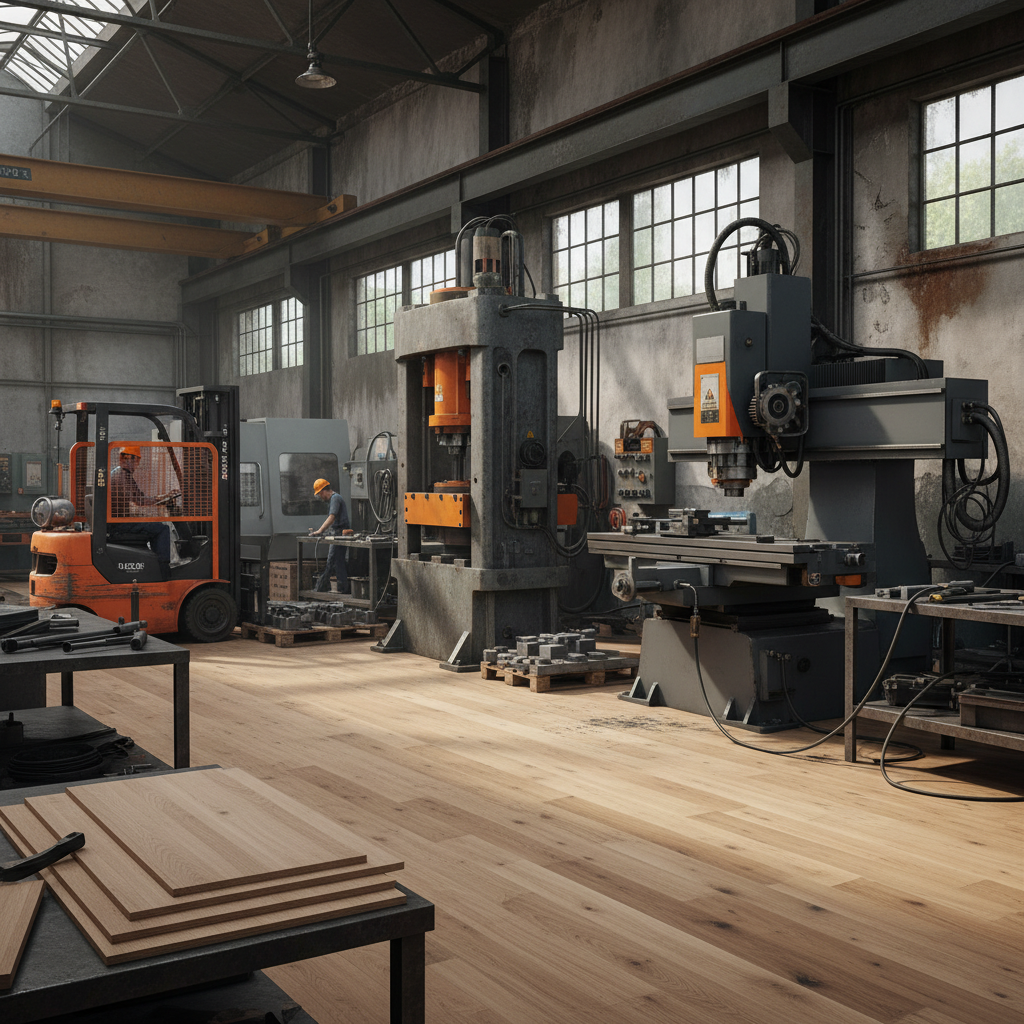
The Essence of Light Oak Flooring
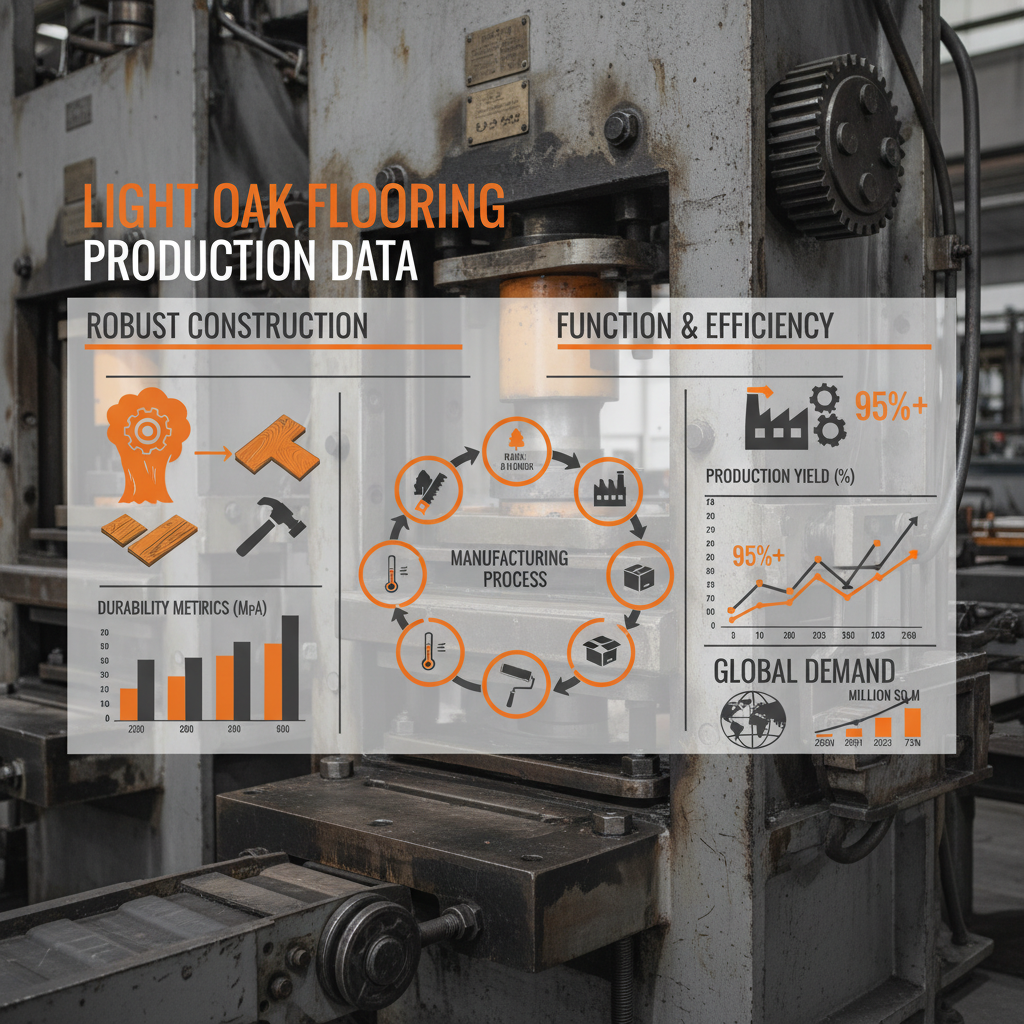
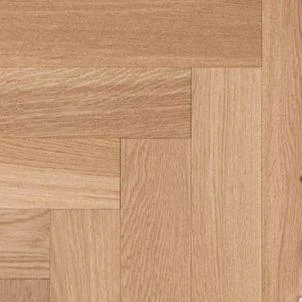
Light oak flooring embodies a sense of natural elegance, bringing warmth and character to any space. Characterized by its pale, honeyed tones and subtle grain patterns, this flooring type has become a staple in contemporary design. Light oak flooring is often sourced from sustainably managed forests, adding to its appeal for environmentally conscious consumers.
The inherent versatility of light oak flooring allows it to seamlessly integrate into a variety of interior styles, from rustic farmhouse to sleek minimalist. Its neutral palette complements a wide range of color schemes and furniture choices, making it a truly adaptable flooring solution.
FAQS
To maintain the beauty of your light oak flooring, regular sweeping or vacuuming is essential to remove dust and debris. For deeper cleaning, use a pH-neutral wood floor cleaner specifically designed for finished wood. Avoid excessive moisture, as it can damage the wood. Damp mop rather than wet mop, and immediately wipe up any spills. Protective felt pads under furniture legs will prevent scratches and dents.
Light oak flooring generally falls in the mid-range in terms of cost compared to other hardwood options. It's often more affordable than exotic hardwoods like Brazilian Cherry or Mahogany, but can be slightly more expensive than some common domestic species like maple or birch. The final cost will depend on the grade of the oak, the finish, and installation costs.
Light oak flooring can be a good choice for pet owners, but it requires some precautions. The wood’s moderate hardness offers reasonable resistance to scratches, but heavy scratching from pet claws is still possible. Regular cleaning and trimming of pet nails are recommended. Applying a durable, protective finish can also help minimize scratches and wear.
With proper installation and regular maintenance, light oak flooring can last for decades – often 50 years or more. Refinishing the flooring every 10-20 years can restore its appearance and extend its lifespan significantly. Factors like foot traffic, humidity levels, and the quality of the finish will influence its longevity.
Yes, light oak flooring can be installed over concrete subfloors, but proper preparation is crucial. The concrete must be clean, dry, and level. A moisture barrier is essential to prevent moisture from migrating up through the concrete and damaging the wood. Engineered light oak flooring is often a better choice for concrete subfloors than solid wood.
The finish plays a vital role in protecting light oak flooring from scratches, moisture, and UV damage. Oil finishes provide a natural look and feel, requiring regular maintenance but offering easy spot repairs. Lacquer finishes are more durable and require less maintenance, but are harder to repair. Wax finishes offer a traditional look and moderate durability. The choice of finish depends on your lifestyle and aesthetic preferences.
Conclusion
Light oak flooring represents a compelling combination of aesthetic appeal, durability, and sustainability. From its warm, inviting aesthetic to its long-term value proposition, it remains a popular choice for both residential and commercial applications globally. Understanding its key characteristics, proper maintenance practices, and evolving trends is essential for making informed decisions and maximizing its benefits.
Looking ahead, the future of light oak flooring is bright, driven by innovations in materials, finishes, and installation techniques. By embracing sustainable sourcing, incorporating digital technologies, and prioritizing quality craftsmanship, we can ensure that this timeless flooring option continues to enhance homes and spaces for generations to come. Visit our website at Hounda Floor to explore our exquisite selection of light oak flooring options.

Brian Harrison
If you are interested in our products, you can choose to leave your information here, and we will be in touch with you shortly.


