
- russian
- luganda
- maithili
- maori
- marathi
- norwegian
- oromo
- persian
- polish
- portuguese
- quechua
- korean
- shona
- sindhi
- singapore
- spanish
- tamil
- thai
- turkish
- ukrainian
- urdu
- vietnamese
- english
- arabic
- aymara
- basque
- belarusian
- bengali
- cebuano
- czech
- danish
- deutsch
- dutch
- afrikaans
- filipino
- finnish
- french
- galician
- hindi
- indonesian
- irish
- italian
- japanese

Wide plank wood flooring has emerged as a highly sought-after design element in both residential and commercial spaces globally. Its inherent warmth, natural beauty, and versatility contribute to its increasing popularity. Driven by a renewed appreciation for natural materials and a desire for timeless aesthetics, wide plank wood flooring is experiencing significant growth in markets worldwide, impacting construction trends and consumer preferences.
The demand for sustainable and aesthetically pleasing building materials is a key driver behind the rise of wide plank flooring. Globally, there’s a trend towards larger format flooring, creating an open and airy feel. According to recent industry reports, the wood flooring market is projected to reach substantial growth in the coming years, with wide plank options leading the charge due to their unique visual appeal and perceived value.
Understanding the nuances of wide plank wood flooring—from wood species and construction methods to installation techniques and maintenance—is crucial for architects, designers, and homeowners alike. Choosing the right wide plank flooring can dramatically enhance a space's value and long-term enjoyment, making it a worthwhile investment.
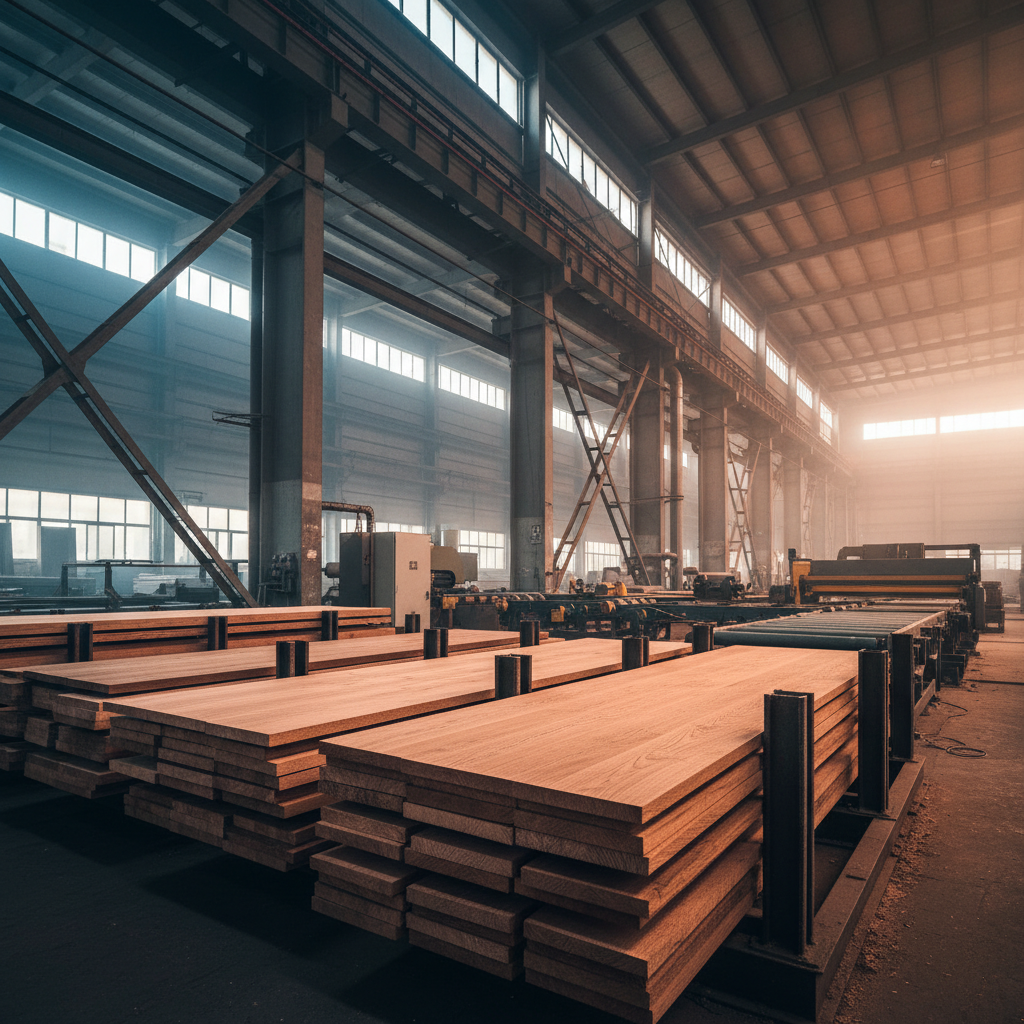
The Essence of Wide Plank Wood Flooring
At its core, wide plank wood flooring refers to flooring planks that are significantly wider than traditional wood flooring options. This wider width creates a visual impact that makes spaces feel larger and more open, highlighting the natural beauty of the wood grain. The trend towards wide planks emphasizes the inherent character of each board, often showcasing knots, grain variations, and color differences.
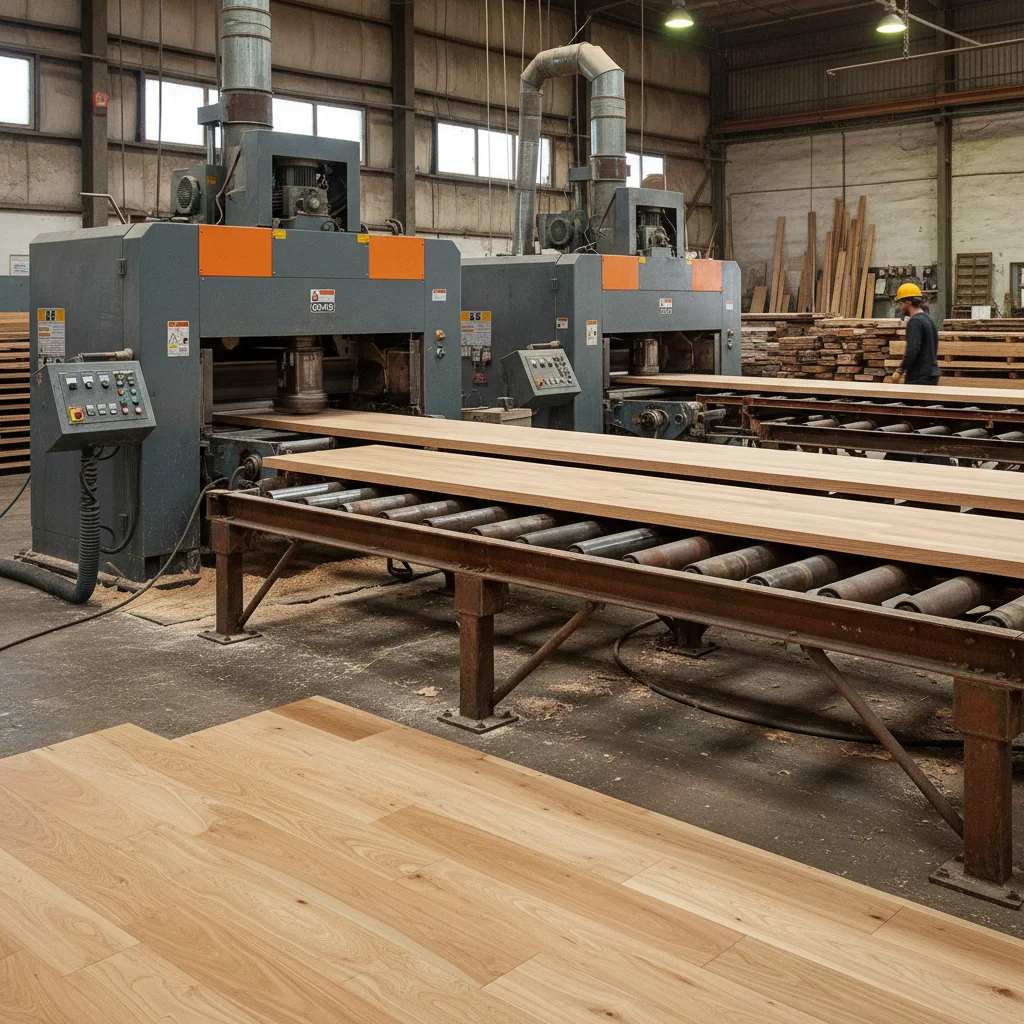
Beyond aesthetics, the manufacturing of wide plank flooring often prioritizes stability and durability. Modern techniques ensure that these wider planks resist warping and cupping, making them suitable for various climates and installation methods. Many homeowners and designers are choosing wide plank wood flooring for its ability to transform a space into a warm, inviting, and visually stunning environment.
FAQS
Wide plank flooring offers several advantages over traditional strip flooring. Its wider planks create a more expansive and open feel in a room, highlighting the natural beauty of the wood grain. Fewer seams reduce the appearance of busy-ness and create a cleaner, more modern look. Additionally, wide plank flooring can visually enlarge smaller spaces, making them feel more spacious and inviting. It often contributes to higher property values as well.
Engineered wide plank flooring is incredibly durable and, in many cases, even more stable than solid hardwood. The layered construction resists warping and cupping caused by moisture and temperature fluctuations. High-quality engineered flooring with a thick wear layer can withstand heavy foot traffic and daily wear and tear. The key is to choose a product with a sufficiently thick veneer and a stable core material.
Proper maintenance is crucial for preserving the beauty and longevity of wide plank wood flooring. Regular sweeping or vacuuming to remove dirt and debris is essential. Avoid using excessive water when cleaning; instead, opt for a pH-neutral wood floor cleaner. Periodic refinishing may be necessary over time to restore the floor's luster and protect it from wear. Using felt pads under furniture legs can prevent scratches.
While solid hardwood is generally not recommended for basements due to moisture concerns, engineered wide plank flooring is a suitable option. Its dimensional stability makes it more resistant to moisture and humidity fluctuations. However, it’s still crucial to ensure proper moisture barriers are installed and to maintain consistent humidity levels in the basement to prevent any potential issues.
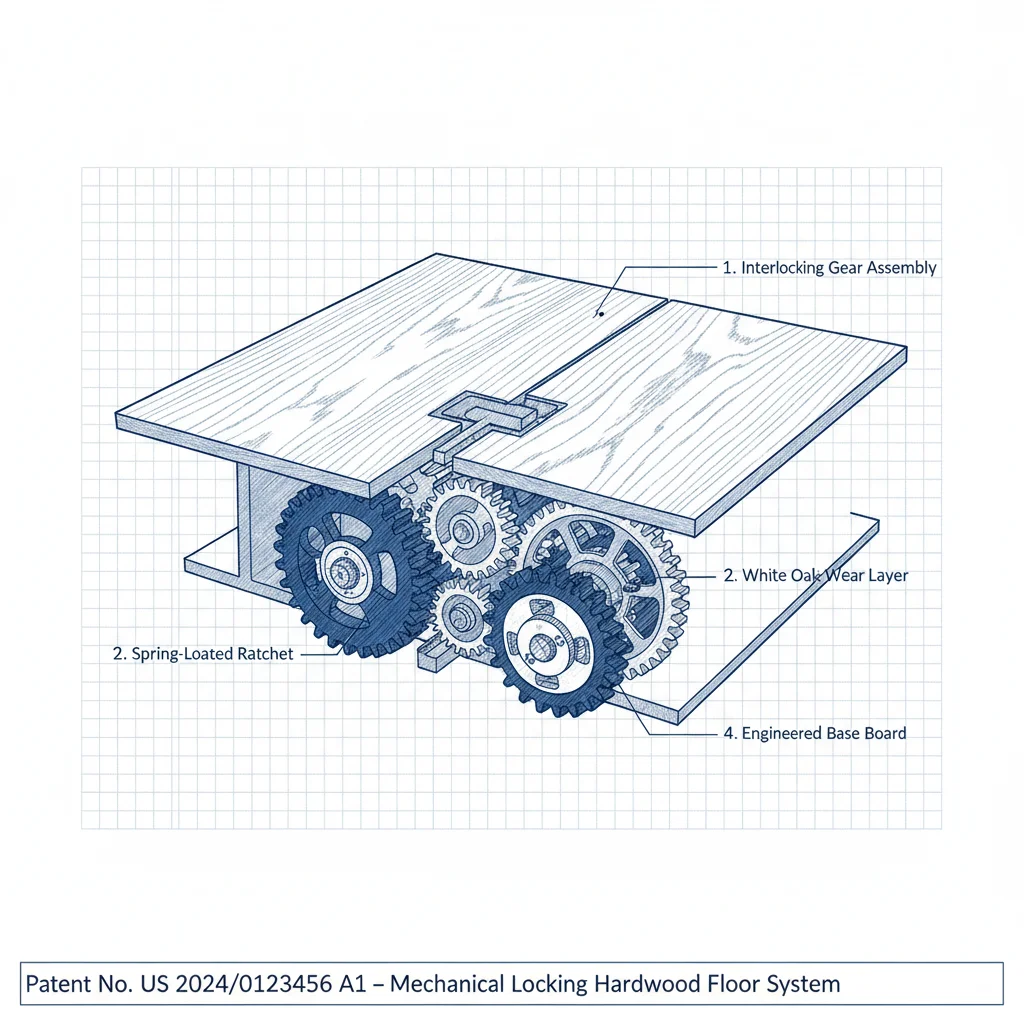
Wide plank wood flooring can be installed using several methods, including nail-down, glue-down, and floating installation. Nail-down is suitable for solid hardwood and requires a subfloor. Glue-down provides a secure bond and is often used with engineered flooring. Floating installation involves interlocking planks and is a relatively easy DIY option. The best method depends on the type of flooring and the subfloor condition.
The cost of wide plank flooring can vary depending on the wood species, construction method, and finish. Generally, it's positioned in the mid-to-high price range compared to other flooring options like carpet or laminate. However, its durability and long-term value often make it a worthwhile investment, as it can last for decades with proper care. Wide plank wood flooring offers a premium look and feel.
Conclusion
In conclusion, wide plank wood flooring represents a compelling choice for those seeking a blend of beauty, durability, and versatility. Its growing popularity reflects a broader trend towards natural materials and timeless design, creating a warm and inviting atmosphere in homes and commercial spaces globally. The ability to personalize and customize further enhances its appeal.
Looking ahead, continued innovation in manufacturing techniques and sustainable sourcing practices will likely drive even wider adoption of wide plank wood flooring. By choosing responsibly sourced materials and opting for durable finishes, consumers can enjoy the enduring beauty and value of this timeless flooring option for generations to come. Visit our website at www.houndafloor.com to explore our wide selection of high-quality wide plank wood flooring.

Brian Harrison
If you are interested in our products, you can choose to leave your information here, and we will be in touch with you shortly.


