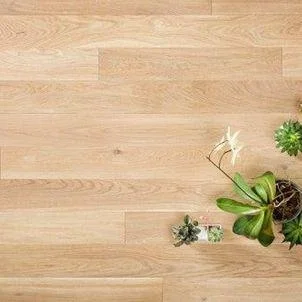
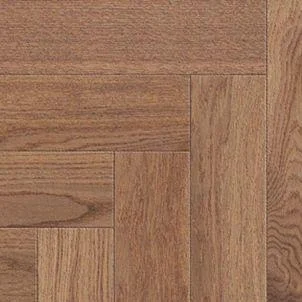
When it comes to high-end interior design, few materials offer the raw power and organic sophistication of natural hickory flooring. Known for its striking grain patterns and exceptional hardness, hickory has transitioned from a traditional utilitarian wood to a premier choice for modern luxury homes and commercial spaces worldwide. Understanding the unique characteristics of this hardwood is essential for homeowners and architects seeking a balance between rugged durability and high-end aesthetics.
Across the global flooring market, there is a growing shift toward sustainable, long-term investments. Data from industry reports suggests that homeowners are increasingly prioritizing "generational flooring"—materials that do not need replacement every decade but can be refinished and passed down. Natural hickory emerges as a frontrunner in this category, offering a Janka hardness rating that surpasses many common hardwoods, thereby solving the perennial problem of floor wear in high-traffic households.
Integrating natural hickory flooring into a space is not merely a decorative choice; it is a strategic decision to enhance property value and indoor air quality. By utilizing precision kiln-drying and eco-friendly finishes, today's hickory products eliminate the instability issues of the past, providing a breathable, non-toxic surface that harmonizes with the natural environment while standing up to the rigors of daily life.

The Structural Integrity of Natural Hickory Flooring
The primary allure of natural hickory flooring lies in its unmatched structural resilience. Hickory is one of the hardest domestic woods available, making it significantly more resistant to dents and scratches than oak or maple. This innate density is what makes it an ideal candidate for residential settings where pets, children, and heavy furniture are constant factors, ensuring the floor remains pristine for decades.
Beyond surface hardness, the integrity of the floor is maintained through advanced manufacturing. Modern multi-stage progressive kiln-drying processes reduce the moisture content to a precise 6%-8%, which effectively prevents the warping and seasonal cracking that historically plagued solid woods. When combined with stress-relief groove technology, the result is a stable, enduring foundation that adapts to environmental changes without compromising its form.
Defining the Aesthetic Appeal of Hickory
From a design perspective, natural hickory flooring is celebrated for its dramatic visual contrast. Unlike the more uniform look of other hardwoods, hickory often features a wide spectrum of colors within a single room—ranging from creamy whites and golden yellows to deep, rich browns. This natural variation creates a dynamic, organic feel that adds warmth and character to any interior.
The grain patterns of hickory are equally captivating, often displaying bold cathedral peaks and intricate swirls. This makes it a versatile choice for various architectural styles; it complements the rustic charm of a farmhouse aesthetic while providing a sophisticated, organic counterpoint to the clean lines of a minimalist, modern penthouse. It bridges the gap between "wild" nature and refined luxury.
To preserve this natural beauty, the industry has moved toward UV matt oils and natural hardwax finishes. These coatings penetrate deep into the wood fibers rather than sitting on top like a plastic film. This ensures that the tactile sensation of the wood is preserved, allowing the user to feel the genuine texture of the hickory while providing a robust shield against spills and stains.
Technical Specifications and Material Science
The material science behind natural hickory flooring involves a precise balance of density and elasticity. With a high Janka rating, the wood fibers are tightly packed, which not only increases hardness but also improves the acoustic properties of the room. This density helps in absorbing impact noise, making it a quieter alternative to synthetic flooring options.
One of the critical technical advantages of premium natural hickory flooring is its dimensional stability. By employing a controlled drying cycle, manufacturers can eliminate internal stresses within the timber. This means the planks are less likely to expand or contract significantly during humidity shifts, which is vital for maintaining the integrity of the Tongue & Groove or Click Lock installations.
Furthermore, the health aspect is integrated into the technical specifications. By ensuring that the products are NAF (No Added Formaldehyde) and CARB/EPA compliant, the flooring becomes a "breathing" element of the home. It regulates indoor humidity and ensures zero harmful VOC emissions, which is a critical requirement for high-end residential projects and health-conscious families.
Performance Comparison in High-Traffic Areas
When evaluating flooring for high-traffic environments, such as hotel lobbies or open-concept family rooms, the wear layer and hardness are the most critical metrics. natural hickory flooring consistently outperforms standard oak or laminate options in terms of impact resistance. While laminates may scratch and cannot be repaired, hickory can be sanded and refinished multiple times over a lifetime.
The long-term value is evident when comparing the lifecycle costs. Although the initial investment in solid hickory is higher than in SPC or laminate, the "generational" lifespan of 50+ years provides a much higher return on investment. The ability to refresh the surface finish means the floor never truly reaches an "end of life" state, but rather evolves with the style of the home.
Durability and Value Analysis of Flooring Types
Global Applications and Architectural Use Cases
In the realm of global architecture, natural hickory flooring is increasingly specified for boutique hotels and luxury retail stores. These spaces require a material that can withstand thousands of footfalls daily without losing its luster. The inherent strength of hickory ensures that the floors do not develop "traffic paths" as quickly as softer woods, maintaining a premium feel for the guest.
Beyond commercial use, in remote industrial zones or high-end mountain retreats, hickory is favored for its ability to handle temperature fluctuations and its rugged aesthetic. Whether it's a modern corporate lobby in New York or a sustainable eco-lodge in the Alps, the versatility of hickory allows it to blend into various cultural and climatic contexts while providing a sense of permanence and reliability.
Sustainability and Eco-Certification Standards
Sustainability is no longer an option but a requirement in the modern flooring industry. natural hickory flooring is sourced from FSC (Forest Stewardship Council) and PEFC certified forests, ensuring that every plank contributes to the health of the planet rather than its depletion. This traceability ensures that the timber is harvested using methods that protect biodiversity and support local communities.
The commitment to eco-friendly practices extends to the finishing stage. By utilizing water-based UV coatings and hardwax oils, manufacturers eliminate the release of harmful chemicals into the home. This approach aligns with the global movement toward "Healthy Buildings," where the materials used are expected to actively improve the well-being of the occupants by reducing allergens and toxins.
Moreover, the longevity of hickory makes it one of the most sustainable choices available. Because a solid hickory floor can last over half a century, it drastically reduces the waste generated by the "rip-and-replace" cycle common with low-quality synthetic floors. Choosing hickory is an investment in a circular economy, where quality and durability minimize the environmental footprint.
Future Trends in Hardwood Innovation
The future of natural hickory flooring is being shaped by digital transformation and material science. We are seeing the integration of AI-driven sorting systems that can analyze the grain patterns of raw timber to create perfectly matched sets for large-scale projects. This ensures a consistent aesthetic flow across thousands of square feet, reducing waste and improving visual harmony.
Another emerging trend is the development of "hybrid" installations, where solid hickory is paired with innovative underlayments, such as integrated cork or polymers. These additions can reduce impact noise by up to 19dB, making solid hardwood viable for multi-story luxury apartments where acoustic privacy is a primary concern for urban dwellers.
As we move toward a greener future, the emphasis will shift further toward zero-emission manufacturing and carbon-neutral shipping. The industry is exploring new ways to optimize logistics and packaging, ensuring that the journey from the North American forests to a living room in Europe or Asia is as efficient and eco-friendly as possible.
Comparative Analysis of Hickory Flooring Performance Metrics
|
Metric Dimension
|
Natural Hickory Performance
|
Industry Standard (Oak)
|
Impact on Property Value
|
| Janka Hardness |
Ultra-High (1820 lbf) |
Medium-High (1360 lbf) |
High Desire for Durability |
| Lifespan |
50+ Years |
30-40 Years |
Generational Asset |
| Visual Variation |
High Contrast/Dynamic |
Moderate/Uniform |
Exclusive Luxury Look |
| VOC Emissions |
Zero (NAF/CARB) |
Low to Moderate |
Health-Centric Value |
| Refinishing Ability |
Excellent (Multi-stage) |
Good |
Low Long-term Cost |
| Stability Index |
High (Kiln-Dried) |
Medium |
Reduced Maintenance |
FAQS
Hickory has a significantly higher Janka hardness rating than oak, meaning the wood fibers are denser and more resistant to compression. This makes natural hickory flooring far less prone to dents from dropped objects or scratches from pet claws, making it the superior choice for high-traffic areas.
Yes, provided it is sourced from a professional manufacturer. By using multi-stage progressive kiln-drying to maintain a moisture content of 6%-8%, and utilizing stress-relief groove technology, the flooring is engineered to resist warping and seasonal movement even in fluctuating humidity.
Absolutely. Due to its extreme hardness and the application of high-performance UV or hardwax oil finishes, it is ideal for boutique hotels, luxury retail stores, and corporate lobbies where both a high-end aesthetic and extreme durability are required.
Yes, our premium hickory is NAF (No Added Formaldehyde) and compliant with CARB and EPA standards. We use low-VOC coatings, ensuring a non-toxic environment that is safe for infants and those with chemical sensitivities.
Regular cleaning with a damp mop and pH-neutral cleaners is sufficient. Because it is a solid wood product, it can be sanded and refinished every 10-15 years, allowing you to update the color or remove deep scratches, effectively renewing the floor.
Click Lock is designed for faster, more efficient installation and is often preferred for renovations. Traditional Tongue & Groove provides a more seamless, permanent architectural fit and is typically chosen for high-end custom builds where a permanent, nailed-down installation is desired.
Conclusion
In summary, natural hickory flooring represents the pinnacle of hardwood performance, blending extreme structural durability with a bold, organic aesthetic. From its superior Janka hardness and dimensional stability to its commitment to FSC-certified sustainability and zero-emission health standards, hickory offers a comprehensive solution for those who refuse to compromise between beauty and utility. It is not just a flooring choice, but a long-term investment in property value and environmental responsibility.
As we look toward the future of interior design, the trend is clearly moving away from disposable materials and toward authentic, lasting luxury. We recommend that homeowners and developers prioritize materials that offer generational lifespans and contribute to a healthier indoor ecosystem. By choosing premium hickory, you are securing a timeless foundation that will evolve with your space and endure for decades to come. Visit our website to explore our collection: www.houndafloor.com