
- russian
- luganda
- maithili
- maori
- marathi
- norwegian
- oromo
- persian
- polish
- portuguese
- quechua
- korean
- shona
- sindhi
- singapore
- spanish
- tamil
- thai
- turkish
- ukrainian
- urdu
- vietnamese
- english
- arabic
- aymara
- basque
- belarusian
- bengali
- cebuano
- czech
- danish
- deutsch
- dutch
- afrikaans
- filipino
- finnish
- french
- galician
- hindi
- indonesian
- irish
- italian
- japanese

Dark wood flooring has long been a symbol of elegance, durability, and warmth in interior design. Its rich tones and natural beauty evoke a sense of classic sophistication, making it a popular choice for homeowners and designers alike. Beyond aesthetics, the increasing demand for sustainable and long-lasting materials has further propelled the appeal of dark wood flooring, as responsibly sourced wood offers a renewable and environmentally conscious option. This growing interest underscores the importance of understanding the nuances of dark wood flooring – from selecting the right species to proper installation and maintenance.
Globally, the flooring market is a multi-billion dollar industry, with wood flooring consistently representing a significant segment. According to Statista, the global flooring market was valued at approximately $147.8 billion in 2023 and is projected to reach $178.6 billion by 2029. Within this market, dark wood flooring, encompassing species like walnut, mahogany, and dark oak, is gaining traction due to its versatility and ability to complement a wide range of interior styles. The rising popularity isn’t solely aesthetic; it's tied to a consumer desire for quality, longevity, and a connection to natural materials.
The challenge lies in navigating the complexities of sourcing, sustainability, and cost associated with high-quality dark wood flooring. Consumers are increasingly discerning, demanding transparency and ethical practices from manufacturers and retailers. Meeting this demand requires a comprehensive understanding of the entire supply chain, from forest management to finishing techniques, ensuring that dark wood flooring remains a responsible and desirable choice for years to come.
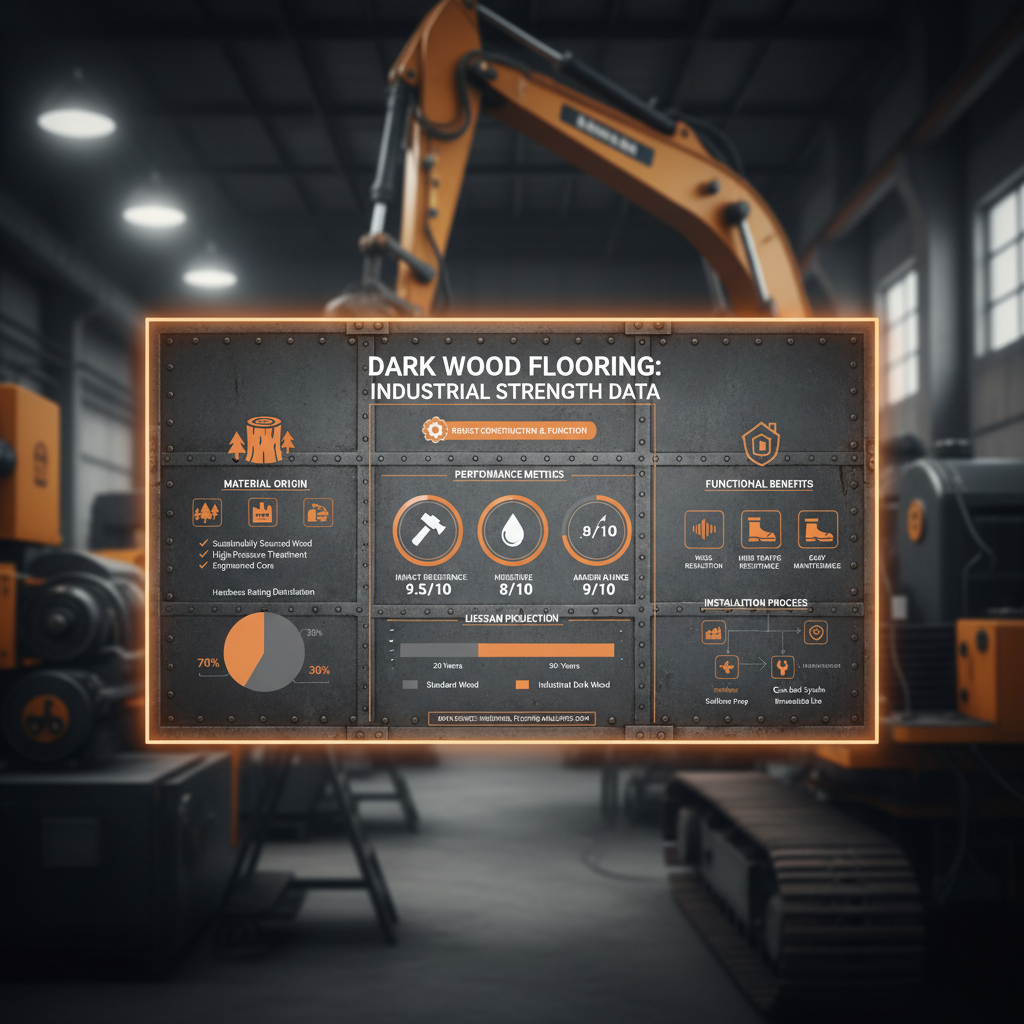
The Essence of Dark Wood Flooring
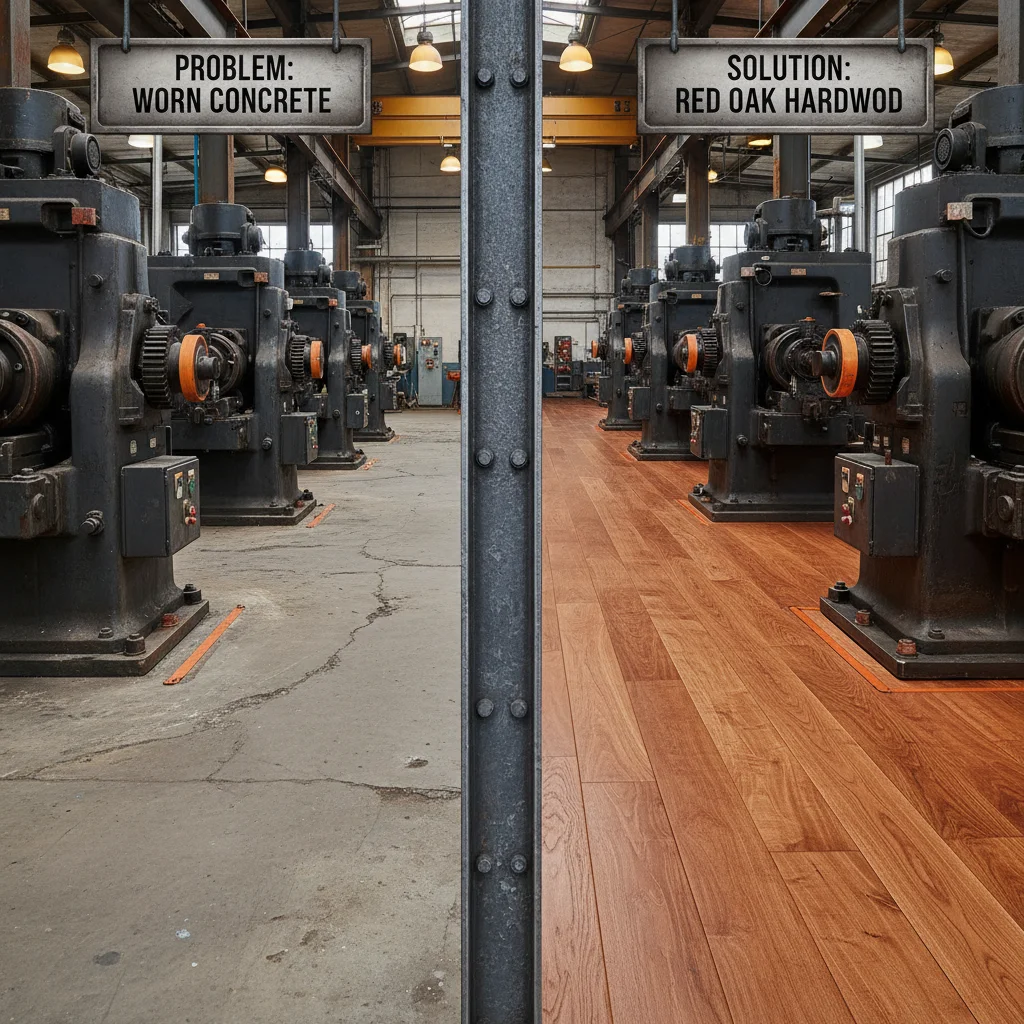
Dark wood flooring evokes a sense of timeless elegance and sophistication. Its deep, rich tones add warmth and character to any space, making it a versatile choice for a variety of interior design styles, from traditional to contemporary. The appeal of dark wood flooring lies not only in its aesthetics but also in its ability to create a cozy and inviting atmosphere.
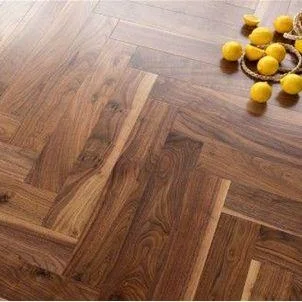
The selection of wood species plays a crucial role in achieving the desired aesthetic and performance characteristics. Popular choices include walnut, mahogany, ebony, and stained oak. Each species offers a unique grain pattern and color variation, contributing to the individuality of the flooring. A well-maintained dark wood floor can truly become a focal point of a room, enhancing its overall beauty and value.
FAQS
Regular sweeping or vacuuming to remove dirt and debris is essential. Avoid using harsh chemicals or abrasive cleaners, opting instead for a pH-neutral wood floor cleaner. Spills should be cleaned up immediately to prevent staining. Periodic refinishing, every 5-10 years depending on traffic, will restore the floor's luster and protect the wood.
Dark wood flooring can be a good choice for pet owners, as it effectively hides scratches and wear. However, it’s crucial to keep pet nails trimmed and regularly clean up any accidents. Consider using area rugs in high-traffic zones to provide additional protection. A durable finish is also key to resisting pet-related damage.
Prolonged exposure to direct sunlight can cause dark wood flooring to fade over time. Using curtains, blinds, or UV-protective window film can help minimize fading. Rotating area rugs can also help distribute sun exposure more evenly. While some fading is inevitable, preventative measures can significantly prolong the floor’s rich color.
Polyurethane is a popular choice for its durability and resistance to water and scratches. However, oil-based finishes offer a more natural look and can be easier to repair. Water-based polyurethane is a low-VOC option that is environmentally friendly. The best finish depends on your lifestyle and desired aesthetic.
Installation difficulty depends on the type of flooring – solid hardwood, engineered wood, or laminate. Solid hardwood requires professional installation to ensure proper acclimation and secure fastening. Engineered wood and laminate are often easier for DIYers to install, but precise measurements and proper subfloor preparation are still crucial.
Generally, well-maintained dark wood flooring can positively impact a home's resale value. It's considered a premium flooring option and appeals to many buyers. However, the impact depends on the overall condition of the home and current market trends. Investing in high-quality dark wood flooring can be a worthwhile upgrade.
Conclusion
Dark wood flooring represents a compelling blend of timeless aesthetics, durability, and value. From its rich visual appeal to its ability to enhance a home’s overall ambiance, it remains a favored choice for homeowners and designers alike. Understanding the nuances of wood species, finishing techniques, and maintenance requirements is crucial to maximizing the longevity and beauty of this enduring flooring option.
As sustainability becomes increasingly important, the demand for responsibly sourced dark wood flooring will continue to grow. Innovations in finishes and installation methods will further enhance its practicality and appeal. By embracing these advancements and prioritizing quality, homeowners can enjoy the enduring elegance and long-term benefits of dark wood flooring for generations to come.

Ethan Turner
Ethan is the Marketing Director at Cangzhou Jiujiang, focusing on expanding the brand's presence in North America. With over a decade of experience in outdoor apparel marketing, Ethan leverages his knowledge to promote the company’s PU rainwear, emphasizing its BSCI and GRS certifications.
If you are interested in our products, you can choose to leave your information here, and we will be in touch with you shortly.


