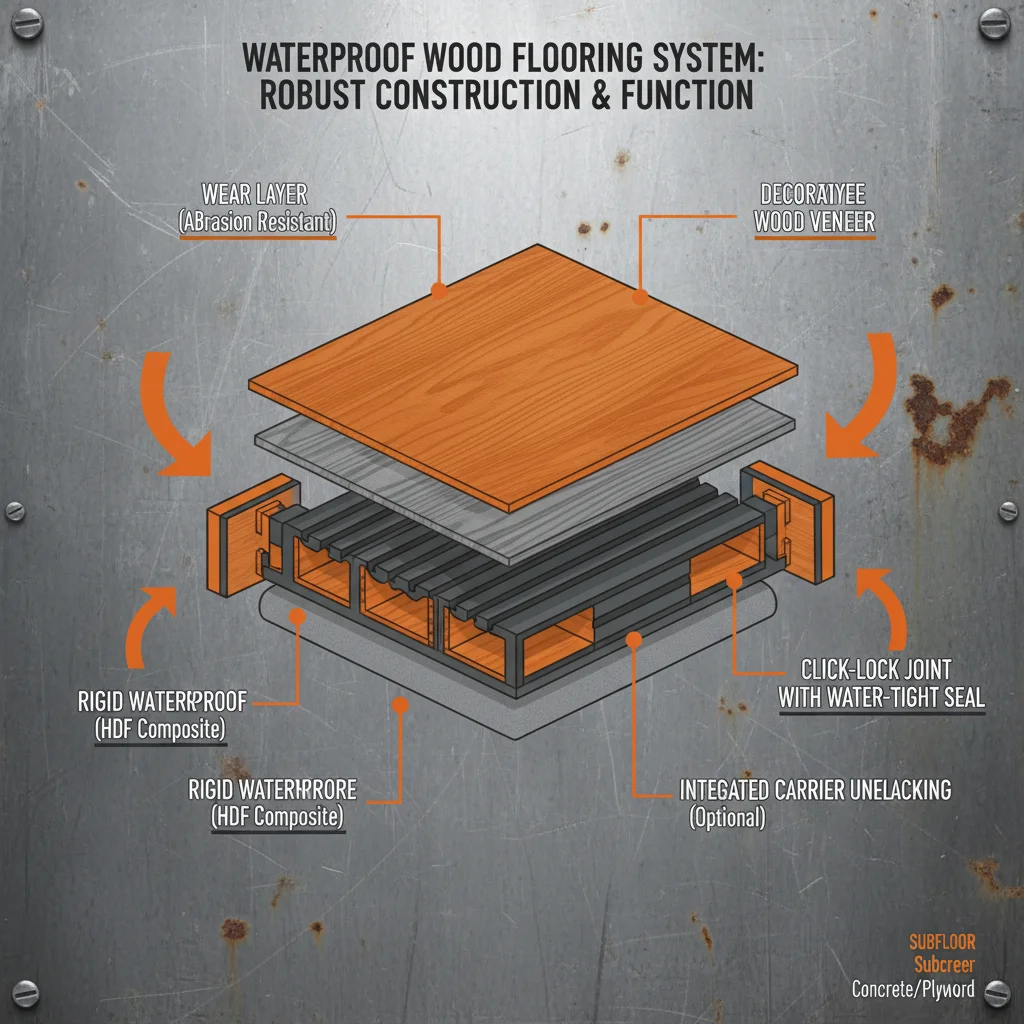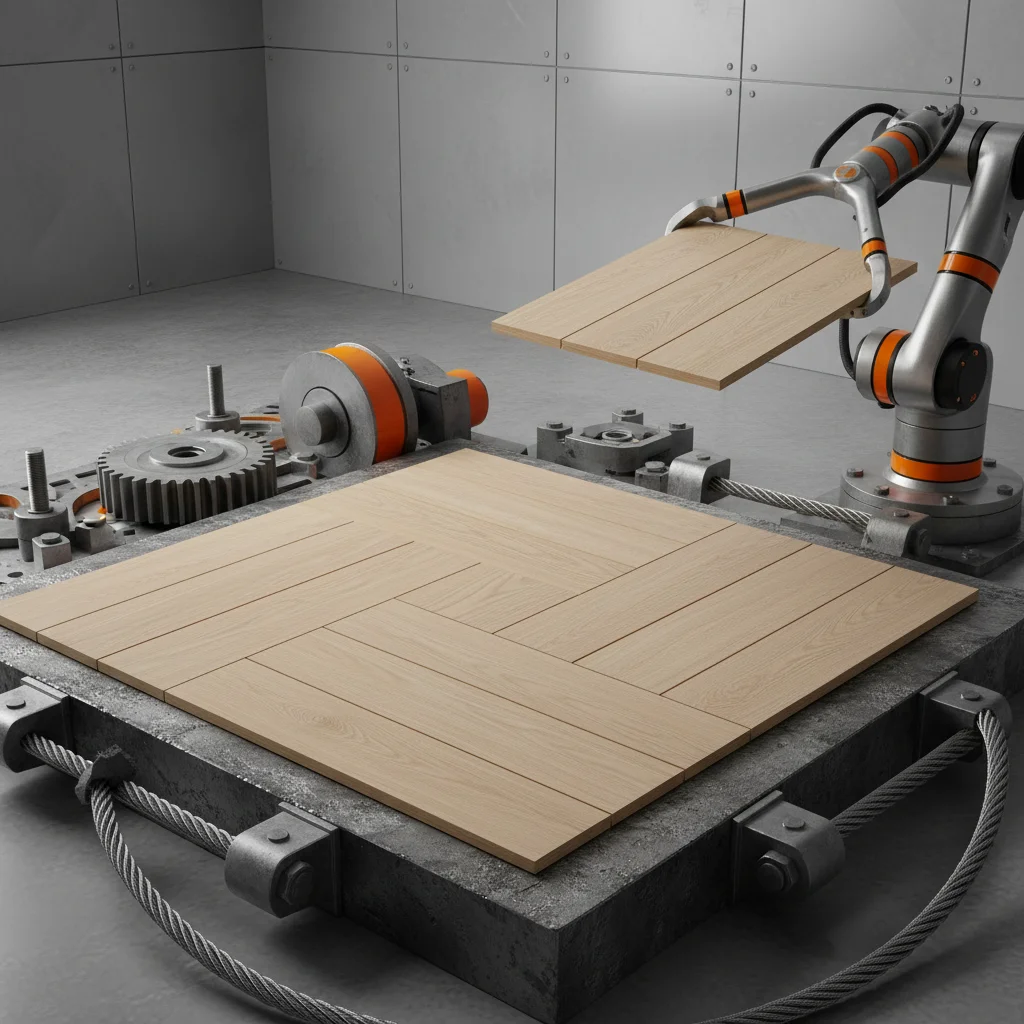
herringbone laminate
0%

Table of Contents

Oak parquet flooring represents a timeless elegance and enduring quality in interior design. Its intricate patterns, crafted from small pieces of wood meticulously arranged, offer a sophisticated aesthetic that complements a wide range of architectural styles. Globally, the demand for premium flooring options, including oak parquet, is consistently high, driven by a desire for durable, beautiful, and sustainable materials. Understanding its properties and applications is crucial for architects, interior designers, and homeowners seeking long-lasting value and refined appeal.

The history of oak parquet flooring traces back centuries, initially favored by European aristocracy for its luxurious appearance and the skill required in its installation. Today, advancements in manufacturing have made oak parquet flooring more accessible, though still retaining its reputation as a premium choice. The global flooring market is projected to continue its growth, fueled by construction activities in emerging economies and a renewed interest in classic, high-quality materials. This growth underscores the importance of understanding the nuances of oak parquet, from sourcing and installation to maintenance and long-term performance.

Oak parquet flooring provides a unique blend of aesthetic beauty, structural integrity, and potential for restoration. Recognizing its benefits, limitations, and evolving trends is essential for making informed decisions in both residential and commercial construction projects. The increasing emphasis on sustainable building practices further elevates the appeal of oak parquet, sourced from responsibly managed forests, offering an environmentally conscious flooring solution.
oak parquet flooring

The History and Craftsmanship of oak parquet flooring
oak parquet flooring

The origins of oak parquet flooring can be traced back to 17th-century France, where it was first developed as a decorative feature in the palaces of royalty and the aristocracy. Skilled artisans painstakingly assembled small, precisely cut pieces of oak into elaborate geometric patterns, creating floors that were both visually stunning and remarkably durable. This meticulous craftsmanship quickly established oak parquet as a symbol of luxury and refinement.

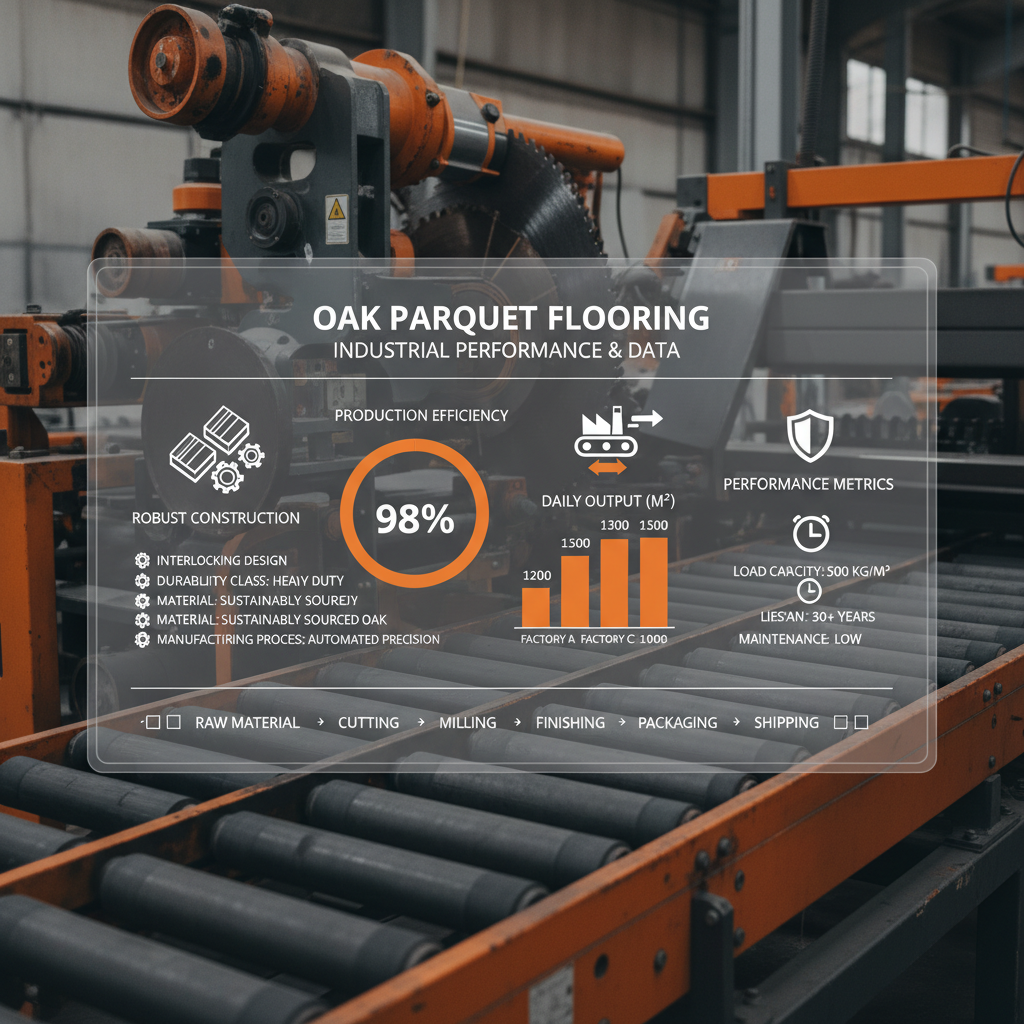
Over the centuries, the techniques for creating oak parquet flooring have evolved, with advancements in woodworking technology enabling greater efficiency and precision. However, the fundamental principles of craftsmanship remain the same – a commitment to quality materials, meticulous attention to detail, and a passion for creating beautiful, lasting floors. Modern manufacturers often utilize computer-controlled machinery to cut and assemble the wood pieces, but skilled artisans still play a crucial role in the finishing and installation process, ensuring that each floor meets the highest standards of quality.

Defining Oak Parquet Flooring

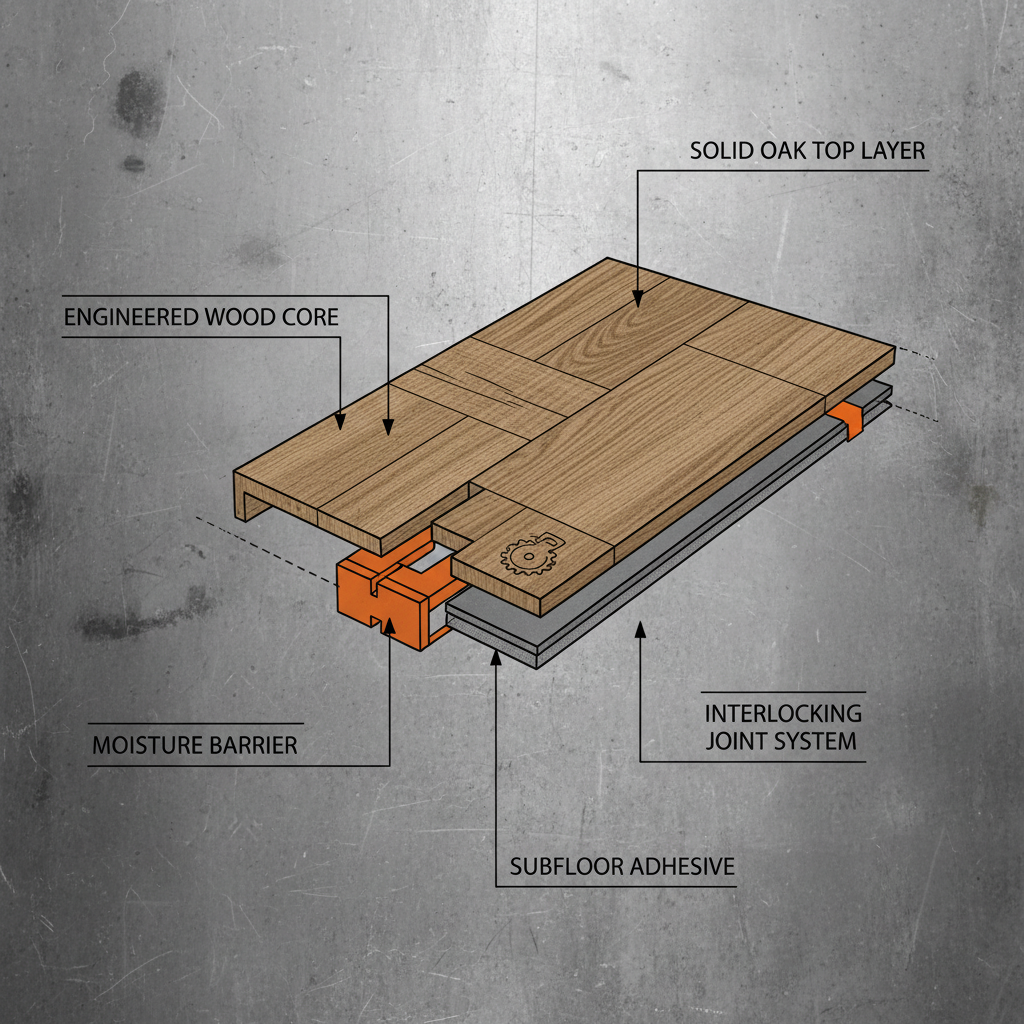
Oak parquet flooring is a type of wood flooring constructed from geometrically shaped pieces of oak, typically squares, rectangles, or triangles, arranged to form a mosaic pattern. Unlike traditional hardwood flooring that uses long planks, parquet flooring creates a visually dynamic surface through the interplay of these smaller wood elements. This design not only enhances aesthetic appeal but also distributes stress evenly, contributing to the floor’s remarkable durability.

The term "parquet" itself originates from the French word "parqueterie," referring to the art of decorating floors with wood. Oak is the most common wood species used in parquet flooring due to its hardness, stability, and attractive grain patterns. However, other hardwoods like maple, walnut, and cherry can also be employed to create unique and sophisticated designs. The careful selection and arrangement of these wood pieces define the character and quality of oak parquet flooring.

In modern applications, oak parquet flooring connects to the growing demand for sustainable and aesthetically pleasing building materials. Its inherent durability reduces the need for frequent replacements, contributing to a lower environmental footprint. Furthermore, the potential for restoration allows oak parquet floors to last for generations, aligning with principles of circular economy and responsible resource management.

Key Characteristics of oak parquet flooring

One of the defining characteristics of oak parquet flooring is its intricate and versatile design potential. The geometric patterns can range from simple squares and rectangles to complex herringbone, chevron, and basketweave designs. This flexibility allows for customization to suit a variety of interior styles, from classic and traditional to modern and contemporary. The ability to combine different wood species and finishes further enhances the design possibilities.

Durability is another crucial characteristic. The small pieces of oak used in parquet flooring are more resistant to warping and cracking than solid hardwood planks, particularly in areas with fluctuating humidity levels. This inherent stability, combined with the inherent hardness of oak, makes it an excellent choice for high-traffic areas. The construction also allows for localized repairs – damaged pieces can be replaced without requiring the entire floor to be refinished.

Oak parquet flooring also boasts remarkable longevity. When properly installed and maintained, it can last for centuries, becoming a cherished feature of a home or building. Its ability to be repeatedly refinished extends its lifespan, allowing it to adapt to changing styles and preferences over time. This enduring quality makes it a valuable investment, often increasing the property value.

Durability and Longevity of oak parquet flooring

The longevity of oak parquet flooring is a significant advantage, stemming from both the material properties of oak and the construction method itself. Oak is a naturally hard and durable wood, resistant to dents and scratches. The small, interlocking pieces of oak parquet distribute weight and stress more evenly than wider planks, minimizing the risk of warping, cupping, or gapping over time.

Furthermore, oak parquet flooring is remarkably refinishable. Unlike solid hardwood floors that can only be sanded and refinished a limited number of times, parquet floors can be refinished multiple times throughout their lifespan, restoring their original beauty and extending their usability. This makes them an excellent long-term investment, as they can adapt to changing styles and preferences without requiring replacement.

Refinishing Potential of Various oak parquet flooring Styles

Global Applications of oak parquet flooring

Oak parquet flooring finds applications in a diverse range of settings worldwide, from historic palaces and grand estates to modern homes and commercial spaces. In Europe, particularly in France, Italy, and Belgium, it remains a popular choice for restoring and preserving architectural heritage. Its elegance and durability make it ideal for high-end residential projects.

In North America, oak parquet is often used in luxury apartments, boutique hotels, and upscale retail environments. The intricate patterns add a touch of sophistication and visual interest, enhancing the overall aesthetic appeal. Increasingly, architects and designers are incorporating oak parquet into contemporary designs, pairing it with minimalist furnishings and modern artwork.

Advantages of Investing in oak parquet flooring

Investing in oak parquet flooring offers numerous advantages beyond its aesthetic appeal. Its remarkable durability translates to long-term cost savings, reducing the frequency of replacements and associated labor costs. The ability to be refinished multiple times further extends its lifespan, maximizing the return on investment.

Moreover, oak parquet flooring can enhance the value of a property, appealing to discerning buyers who appreciate quality craftsmanship and timeless design. Its sustainable sourcing options contribute to a positive environmental impact, aligning with the growing demand for eco-friendly building materials. The inherent warmth and beauty of oak create a welcoming and inviting atmosphere, enhancing the comfort and enjoyment of a space.

Finally, the versatility of oak parquet flooring allows it to complement a wide range of interior styles, providing design flexibility and allowing homeowners to personalize their spaces. Its enduring quality and timeless elegance ensure that it will remain a cherished feature for generations to come.

Future Trends in oak parquet flooring

The future of oak parquet flooring is poised for innovation, with several emerging trends shaping its development. One key area is sustainable sourcing, with increasing demand for oak harvested from responsibly managed forests certified by organizations like the Forest Stewardship Council (FSC). Manufacturers are also exploring alternative finishes, such as natural oils and waxes, to reduce the use of volatile organic compounds (VOCs).

Digital printing technology is opening up new possibilities for creating customized oak parquet patterns and designs. This allows for greater personalization and the ability to replicate intricate historical motifs. Furthermore, advancements in pre-finished oak parquet flooring are simplifying installation and reducing on-site labor costs.

A growing trend is the incorporation of reclaimed oak in parquet flooring, providing a unique aesthetic and reducing waste. The combination of traditional craftsmanship with modern technology is ensuring that oak parquet flooring remains a relevant and desirable choice for discerning consumers.

Summary of Factors Influencing the Future of oak parquet flooring

Sustainability Certification Technological Advancement Consumer Preference Cost-Effectiveness
FSC Certification Digital Printing Demand for Natural Materials Installation Efficiency
PEFC Certification Pre-Finished Options Focus on Health & Wellness Raw Material Costs
Carbon Footprint Reduction Automated Manufacturing Preference for Local Sourcing Refinishing Costs
Responsible Forestry Practices 3D Patterning Desire for Unique Designs Transportation Costs
Traceability of Wood Origin AI-Powered Design Tools Growing Eco-Consciousness Long-Term Value Retention
Compliance with Environmental Regulations Virtual Reality Showrooms Demand for Timeless Aesthetics Maintenance Costs

FAQS

What are the best cleaning practices for oak parquet flooring?

Maintaining oak parquet flooring's beauty requires gentle cleaning. Avoid excessive water, harsh chemicals, and abrasive cleaners. Regularly sweep or vacuum to remove dust and debris. For deeper cleaning, use a pH-neutral wood floor cleaner specifically designed for finished wood surfaces. Damp mop, not wet mop, and immediately dry any spills. Periodic reapplication of a specialized parquet floor polish can enhance its luster and provide additional protection.

Is oak parquet flooring suitable for underfloor heating?

Oak parquet flooring can be compatible with underfloor heating systems, but careful consideration is crucial. The wood needs to be properly acclimated to the environment before installation. Use a moisture meter to ensure the wood's moisture content is within the manufacturer’s recommendations. It's essential to choose a parquet flooring specifically designed for underfloor heating and to follow the manufacturer’s guidelines regarding temperature limits. Gradual temperature changes are recommended to prevent cracking or warping.

How does the installation process of oak parquet flooring differ from traditional hardwood flooring?

The installation of oak parquet flooring is considerably more complex than that of traditional hardwood planks. Due to the small, individual pieces, meticulous precision is required for creating a visually appealing and structurally sound surface. Parquet can be installed in various patterns, each requiring specialized cutting and fitting techniques. Professional installation is highly recommended, often involving gluing the pieces directly to a subfloor or using a specialized adhesive and underlayment system.

What is the typical cost range for oak parquet flooring, including installation?

The cost of oak parquet flooring varies significantly based on the wood species, pattern complexity, finish, and installation method. Generally, the material cost ranges from $8 to $20 per square foot. Installation costs can add another $5 to $15 per square foot, depending on the complexity of the pattern and the installer’s rates. Therefore, the total cost, including materials and labor, can range from $13 to $35 or more per square foot.

Can oak parquet flooring be installed in high-moisture areas like bathrooms or kitchens?

While possible, installing oak parquet flooring in high-moisture areas like bathrooms and kitchens requires extra precautions. Proper sealing and waterproofing are critical to prevent water damage and warping. Using a moisture-resistant underlayment and applying multiple coats of a durable, water-resistant finish can help protect the flooring. However, even with these measures, it’s important to promptly address any spills or leaks to minimize potential issues.

What are the options for repairing damaged oak parquet flooring pieces?

One of the significant advantages of oak parquet flooring is its repairability. Damaged pieces can be individually removed and replaced, minimizing disruption and cost. Matching the replacement pieces to the existing flooring can be challenging, requiring careful sourcing or custom cutting. Refinishing the entire floor after replacing damaged pieces helps blend the new and old wood and restore a uniform appearance. For minor scratches or blemishes, professional refinishing can often restore the floor's original luster.

Conclusion

Oak parquet flooring represents more than just a flooring material; it's an investment in enduring beauty, craftsmanship, and long-term value. Its historical significance, combined with its inherent durability and design versatility, makes it a timeless choice for both residential and commercial applications. The ability to be repeatedly refinished, coupled with the increasing emphasis on sustainable sourcing, ensures its relevance in the modern world.

Looking ahead, advancements in technology and a growing awareness of environmental responsibility will continue to shape the future of oak parquet flooring. By embracing innovative manufacturing techniques, utilizing reclaimed materials, and prioritizing sustainable forestry practices, we can ensure that this exquisite flooring option remains a cherished feature of homes and buildings for generations to come. Visit our website at oak parquet flooring to explore our collection and discover the perfect oak parquet flooring for your project.
Jason Wright

Jason Wright

Jason Wright is a Technical Support Engineer for Hounda, providing expert assistance to installers, contractors, and distributors across the United States. He has a background in carpentry and flooring installation, giving him practical insights into the challenges faced by professionals in the field. Jason is responsible for creating installation guides, conducting training workshops, and troubleshooting technical issues. He is dedicated to ensuring that Hounda flooring is installed correctly and performs optimally. He joined the company in 2019 and has become a valuable resource for our North American network.
Previous Expert Guide to Refinish Wood Floors for Home Value and Sustainability
Next Exploring the Beauty and Durability of Brazilian Hardwood Flooring and Decking

If you are interested in our products, you can choose to leave your information here, and we will be in touch with you shortly.