herringbone laminate
0%

Table of Contents

To be honest, the whole flooring game has been flipped on its head these past few years. Everyone's chasing waterproof, everyone's chasing ease of install.  It used to be you'd spend a week laying down laminate, battling swelling and weird gaps. Now?  SPC rigid core flooring is just… different.  I’ve seen it go from a niche product to practically taking over job sites.  It's not a revolution, not exactly, but it’s a serious evolution, you know?

       Have you noticed how many guys are ditching traditional vinyl? It's faster, cleaner, and honestly, less prone to screw-ups. That’s a huge win on a busy site.  Less call-backs mean happier clients, and frankly, less headache for everyone involved. I spend enough time chasing down missing screws and broken bits, I don’t need to add warped floors to the list.

       And the demand is insane.  Seems like every other developer is specifying it for their projects, from high-end condos to your basic apartment complexes. It’s even creeping into commercial spaces, which, frankly, I didn’t see coming.  People are realizing it holds up to serious abuse.
   

What's the Buzz About SPC Rigid Core Flooring?
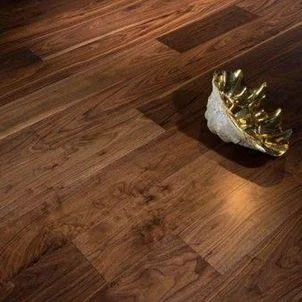
           

Honestly, the biggest draw is the waterproof thing. I've seen some truly catastrophic water damage over the years, and knowing this stuff can handle spills, leaks, even floods... it’s a game changer.

           But it’s not just waterproof. It’s also incredibly durable.  I encountered this at a new build last time, the foreman dropped a concrete block on a sample – barely a scratch! I mean, a concrete block! Try that with laminate, or even traditional hardwood.  It’s built to take a beating, and that’s what contractors want.

Decoding the Core: What's Inside SPC?

Okay, so what *is* this stuff? It's basically layers. The core, which is the stone plastic composite – that’s the SPC part – is what gives it the rigidity. It doesn’t feel like plastic, not really. It’s denser, heavier.  I’ve smelled some cheaper stuff that has a really strong plastic odor, which is a bad sign. You want something that smells… neutral, almost mineral-like.  

       Then you've got the wear layer, which is the protective top coat. That determines how well it resists scratches and scuffs.  The thicker the wear layer, the better, obviously.  And underneath the core, there’s usually an underlayment, sometimes attached, sometimes separate.  That's for sound dampening and a bit of extra comfort underfoot.

       The feel is important. A good SPC feels solid, not flimsy. If you can easily bend it, it's probably not high quality. It should have a slight give, but mostly feel…substantial.  It's a weird thing to describe, but you get a feel for it after handling enough of it.

The Devil's in the Details: Design Pitfalls to Avoid

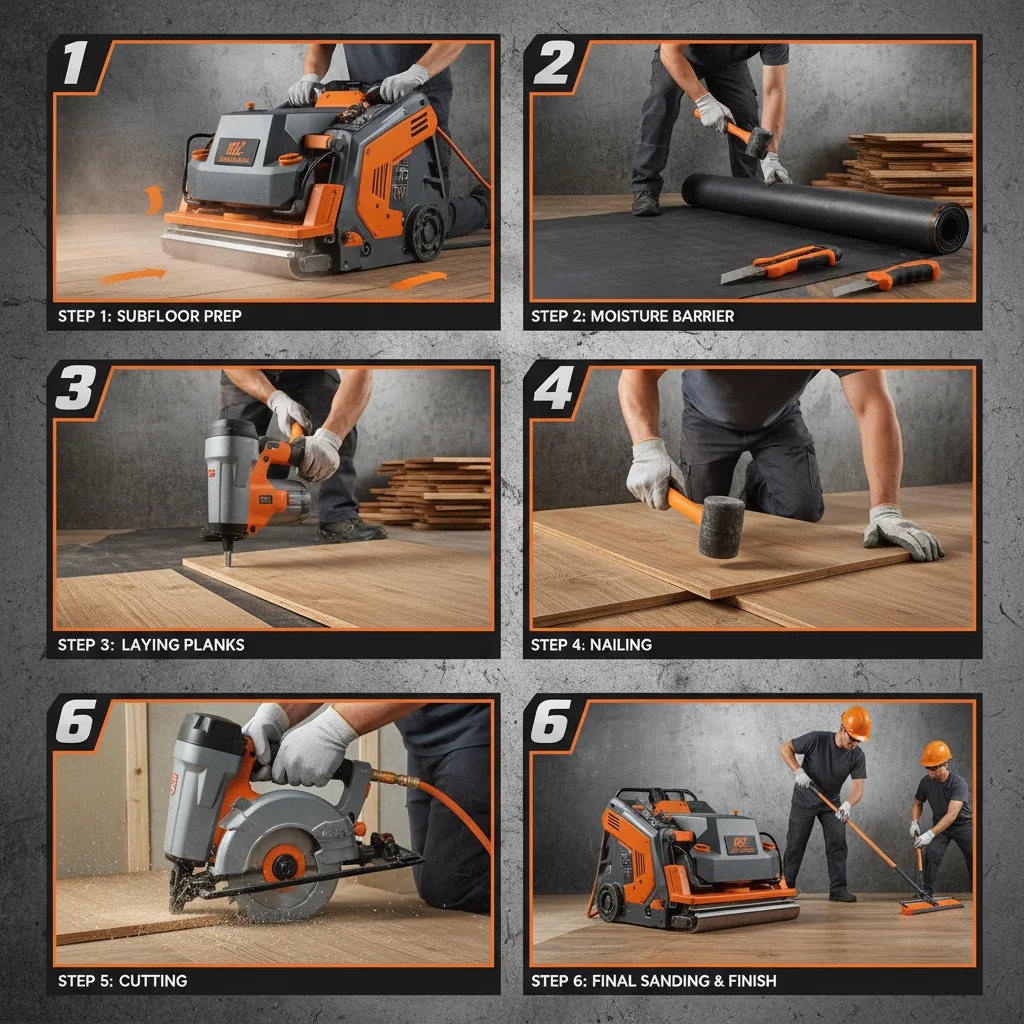
Strangely, one thing I see a lot of guys mess up is the expansion gap. SPC *needs* room to expand and contract with temperature changes. If you butt it right up against the walls, it's going to buckle. It’s not a maybe, it’s a will happen. It’s the same with any flooring, I suppose, but it seems to be particularly crucial with SPC because it’s so rigid.


Another trap is thinking all SPC is created equal. There’s a huge range in quality out there. Some of the cheaper stuff has a really thin wear layer, and it’ll look trashed after a year.  Plus, the locking mechanisms can be… suspect.  I've spent hours trying to get some of those things to click together properly, and let me tell you, it's not fun.  It’s a waste of time and a test of patience.

And don't even get me started on the embossed-in-register stuff. Looks great in the showroom, but if the embossing doesn’t perfectly match the pattern, it looks…off.  Like a bad print job. It’s a small detail, but it can make a big difference.

Real-World Testing: Beyond the Lab

Look, I don't care what the lab tests say. The real test is what happens when a family with kids and pets moves in. That's when you see the truth. We do drop tests, scratch tests… but we also *live* with the stuff.  We install it in our own offices, in model homes, anywhere we can get some real-world feedback.

       I once had a client who insisted on using a really cheap SPC for a rental property.  I warned him, but he wouldn't listen.  Six months later, he was calling me, complaining about scratches and dents everywhere.  Lesson learned. You get what you pay for, especially with flooring.

SPC Rigid Core Flooring Performance Metrics

How People *Actually* Use It

You know, it's not always what you expect. I’ve seen guys use it for things I never would have thought of. Like, covering up ugly concrete floors in basements. Or building raised platforms in gyms. It’s surprisingly versatile.

       A lot of people are using it in kitchens and bathrooms, obviously, because of the waterproof thing. But I’m also seeing it in bedrooms, living rooms, even home offices.  It’s becoming a pretty universal flooring solution.

The Good, the Bad, and the Customizable

The advantages? Durability, waterproof, easy install… We’ve covered that.  The downside?  It’s not as warm underfoot as hardwood. It can feel a bit…clinical.  And it's not the cheapest option, although the price has come down a lot in recent years.

       But here's where it gets interesting. Customization. I recently worked with a small boss in Shenzhen who makes smart home devices. Last month, he insisted on changing the interface to instead of the standard click-lock system.  He thought it would give his product a more “high-tech” feel. It was a nightmare to install, took twice as long, and the guys hated him. But hey, it was his vision.  You can get SPC with different wear layers, different core thicknesses, different colors, different patterns… you name it.

SPC Rigid Core Flooring: A Quick Comparison

Okay, so a quick rundown. We've seen all sorts of flooring come and go, but SPC seems to be sticking around. It’s not perfect, no flooring is, but it addresses a lot of the pain points that contractors and homeowners have been dealing with for years.

       I mean, seriously, who wants to spend a week installing flooring? Who wants to worry about water damage? Who wants to deal with a floor that looks beat up after a year? SPC solves those problems.  

       Anyway, I think it's here to stay.

SPC Rigid Core Flooring Key Features Comparison

FeatureSPC Rigid Core (Standard)SPC Rigid Core (Enhanced)Traditional Vinyl
Waterproof RatingExcellent (100%)Excellent (100%)Moderate (Surface only)
Durability (Scratch Resistance)8/109/106/10
Installation DifficultyEasy (Click-Lock)Easy (Click-Lock)Moderate (Adhesive often needed)
Cost (Per Square Foot)$2.50 - $4.00$3.50 - $5.50$1.50 - $3.00
Sound InsulationModerate (with attached underlayment)Good (with thicker underlayment)Moderate
Dimensional StabilityExcellent (Minimal Expansion/Contraction)ExcellentModerate (Prone to warping)

FAQS

Is SPC rigid core flooring truly 100% waterproof?            

It’s about as close as you’re going to get in the flooring world. The core is impervious to water, and the seams are designed to be watertight. However, water can still seep in around the edges if the installation isn’t done properly, so proper sealing is key. Don’t just dump a bucket on it and expect miracles.

Can I install SPC rigid core flooring over existing tile?            

You can, *usually*. But it depends on the tile. It needs to be level, clean, and structurally sound. Any cracks or unevenness will telegraph through the SPC. You might need to self-level the floor first, which adds to the cost and time. It’s always best to check with the manufacturer's instructions and maybe do a small test area first.

How does SPC rigid core flooring hold up to heavy furniture?            

Pretty well, actually. Because it's so rigid, it doesn’t dent as easily as laminate or vinyl. But you should still use furniture pads under heavy items to prevent scratches.  And if you're moving really heavy stuff, like a piano, it's best to distribute the weight with a plywood sheet.

Is SPC rigid core flooring a good choice for basements?            

Absolutely. Basements are notorious for being damp, and SPC’s waterproof nature makes it ideal. Just make sure you have a proper moisture barrier under the flooring, even if the SPC is waterproof. You don't want to risk moisture coming up from the concrete slab.

What’s the difference between SPC and LVP (Luxury Vinyl Plank)?            

LVP is more flexible, whereas SPC has that rigid core.  That core is what gives SPC its advantages in terms of durability and dimensional stability. LVP is cheaper, but it’s also more prone to dents and scratches.  It really depends on your budget and your needs.

Can SPC rigid core flooring be used with underfloor heating?            

It can, but you need to check the manufacturer's specifications. Some SPC flooring is designed to be compatible with underfloor heating, while others aren't. If it is compatible, make sure to follow the manufacturer's temperature guidelines to avoid damaging the flooring.

Conclusion

So, yeah, SPC rigid core flooring is a pretty big deal. It’s not a magic bullet, but it solves a lot of problems. It's durable, waterproof, relatively easy to install, and it looks pretty good too. It’s not the cheapest option out there, but the long-term benefits often outweigh the initial cost.

       Ultimately, whether this thing works or not, the worker will know the moment he tightens the screw. You can talk specs and features all day long, but the real test is how it feels underfoot, how it holds up to abuse, and how easy it is to work with on the job site. That's what matters.  And SPC, more often than not, passes that test.
Brian Harrison

Brian Harrison

Brian Harrison is Hounda's Key Account Manager, specializing in building and maintaining relationships with national property developers and home improvement chains. He possesses a deep understanding of the US construction and real estate markets. Before Hounda, Brian worked with several large-scale construction firms, providing flooring solutions for new residential developments. He excels at understanding client needs and delivering customized flooring solutions that align with their project goals and budget. He is known for his proactive communication and dedication to customer satisfaction. Brian joined Hounda in 2021.
Previous Understanding the Nuances of Hardwood Flooring Installation and Maintenance
Next The Enduring Appeal of Solid Walnut Flooring and Installation Insights

If you are interested in our products, you can choose to leave your information here, and we will be in touch with you shortly.